Introduction
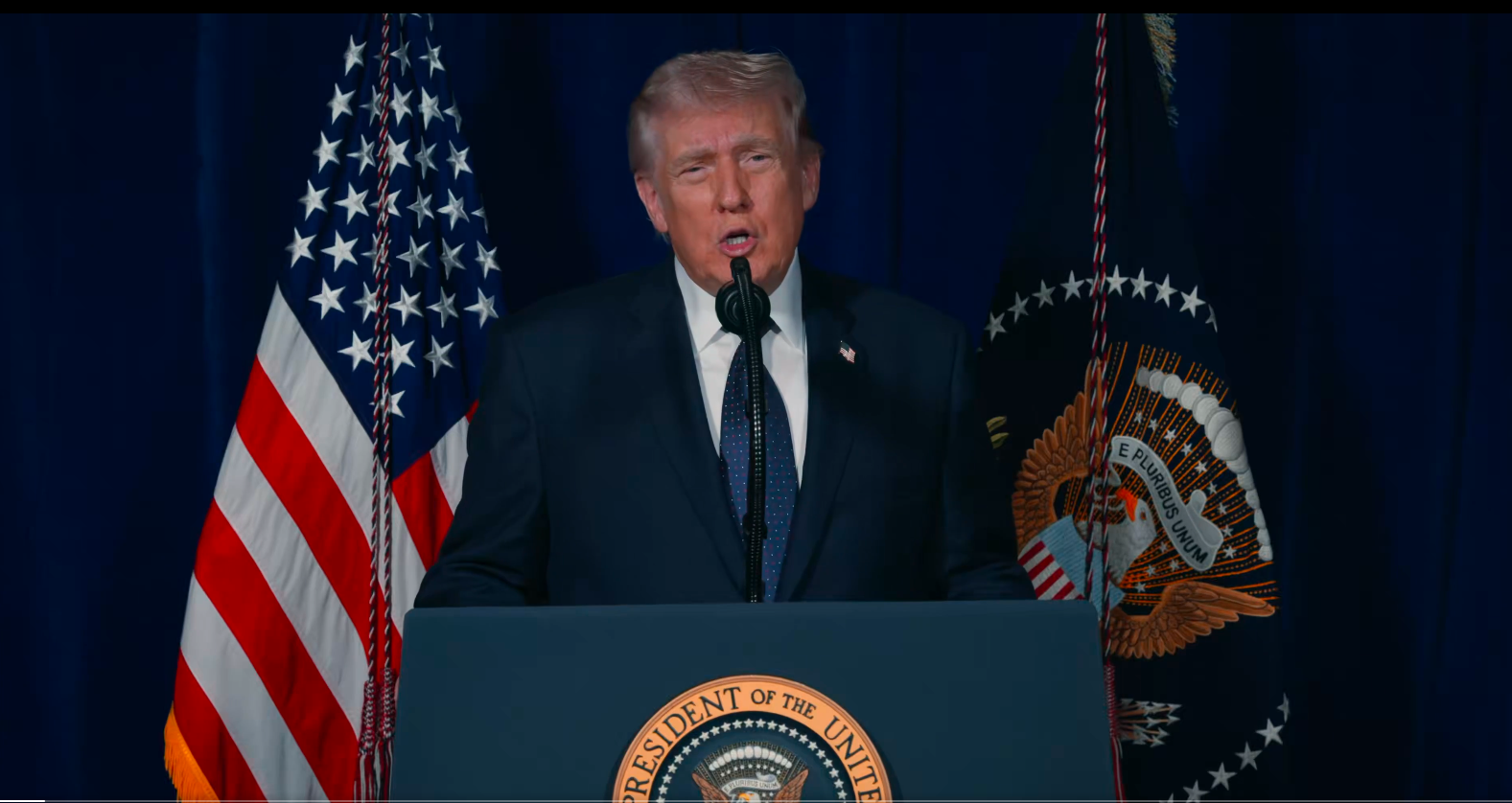
A fragile diplomatic effort to end escalating tensions between the United States and Iran appeared to be on the verge of a breakthrough—until a series of unexpected social media posts from Donald Trump shifted the momentum. What had been described by insiders as a “near-final framework” has now entered a phase of uncertainty, with global markets and US policymakers bracing for potential fallout.
The sudden shift highlights how digital messaging, especially from high-profile political figures, can influence geopolitics in real time. As negotiations stall, the implications for US national security, energy prices, and global alliances are becoming increasingly significant.
Key Highlights
- A US-Iran de-escalation deal was reportedly 90% finalized before disruption
- Trump’s social media posts questioned the terms and timing of the agreement
- Oil markets reacted quickly, with prices spiking over 4% intraday
- US officials now warn of a renewed risk of military escalation
- Diplomatic talks have been temporarily paused, sources say
Full Details: What Happened and Why It Matters
Diplomatic channels between US and Iranian officials had intensified over recent weeks, with mediation reportedly involving European and Gulf partners. According to multiple sources familiar with the talks, negotiators had aligned on key issues including sanctions relief, maritime security, and limitations on military activity in strategic regions like the Strait of Hormuz.
However, the situation changed rapidly after Donald Trump posted a series of statements criticizing the potential deal. In his posts, Trump reportedly argued that the agreement was “too weak” and could “embolden Iran,” signaling a hardline stance that resonated with parts of the US political base.
These public comments introduced new political pressure on negotiators, particularly within Washington, where bipartisan divisions on Iran policy remain deep.
Internal Context and Related Coverage
External Sources
- According to Reuters, officials confirmed that “communication breakdowns intensified following public political interference.”
- A report from The New York Times noted that the deal’s timing was “highly sensitive,” making it vulnerable to external political messaging.
What This Means for Americans
The collapse—or even delay—of a US-Iran agreement has immediate and tangible effects for American citizens.
1. Rising Gas Prices
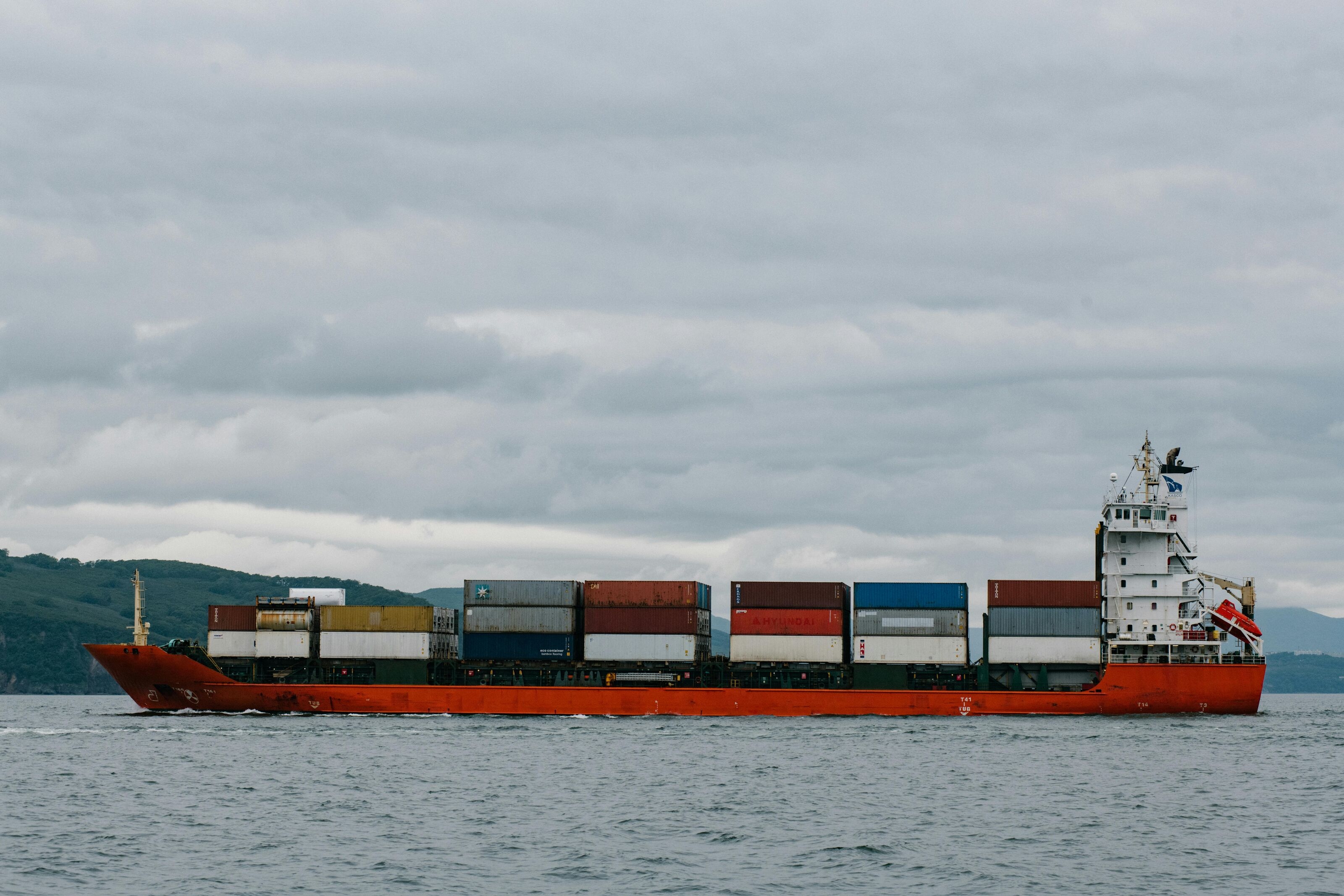
Any instability in the Middle East directly affects oil supply routes. The Strait of Hormuz carries nearly 20% of global oil shipments, meaning disruptions can quickly increase fuel costs across the US.
2. Economic Uncertainty
Higher energy prices often translate into inflationary pressure. For American households already dealing with elevated costs, this could mean more expensive transportation, goods, and services.
3. National Security Concerns
A stalled deal increases the likelihood of military escalation. This could involve US naval deployments, cyber tensions, or proxy conflicts in the region.
4. Political Impact in the US
Trump’s intervention underscores how foreign policy is becoming increasingly intertwined with domestic politics—especially ahead of major elections.
Expert Analysis: Why the Deal Fell Apart
At its core, the disruption reveals a deeper structural issue in modern diplomacy: the collision between traditional negotiations and real-time public communication.
1. Diplomacy vs. Digital Influence
Historically, sensitive negotiations were conducted behind closed doors. Today, platforms like Truth Social and X (formerly Twitter) allow leaders to shape narratives instantly. Trump’s posts didn’t just express an opinion—they altered the negotiating environment.
2. Political Signaling
Trump’s messaging can be interpreted as a strategic move to reinforce his foreign policy stance. By opposing the deal publicly, he positions himself as a stronger alternative, especially among voters who favor a tougher approach toward Iran.
3. Fragility of Modern Agreements
Even when deals are technically complete, they remain politically fragile. A single disruption—especially from a high-profile figure—can unravel weeks or months of progress.
4. Global Power Dynamics
Iran may now reassess its position, potentially seeking leverage through other global players like China or Russia. This could weaken US influence in the region over time.
Forward Outlook: What Happens Next
While talks are currently paused, they are unlikely to collapse entirely. Diplomatic backchannels remain active, and both sides have incentives to avoid full-scale conflict.
However, the timeline has shifted. What was once seen as an imminent agreement may now take weeks—or longer—to revive. In the meantime, markets, policymakers, and military planners will continue preparing for multiple scenarios.
Conclusion
The near-collapse of a US-Iran deal following Donald Trump’s social media intervention highlights a new reality in global politics: diplomacy is no longer confined to negotiation rooms. Public messaging can—and does—reshape outcomes in real time.
For Americans, the stakes are clear: economic stability, national security, and global influence all hang in the balance. As tensions evolve, the coming days will be critical in determining whether diplomacy can recover—or if confrontation becomes inevitable.


 US
US