Introduction
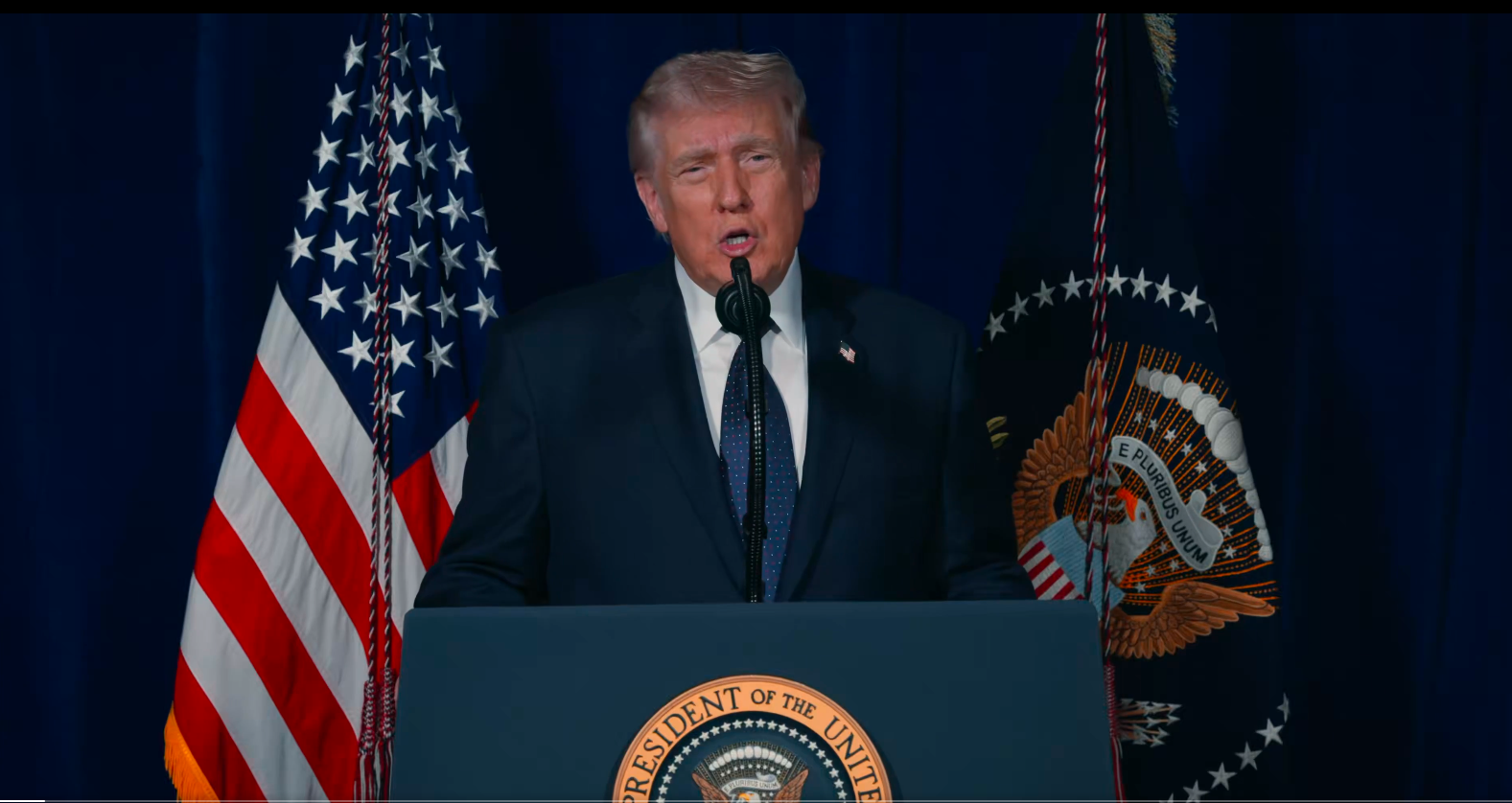
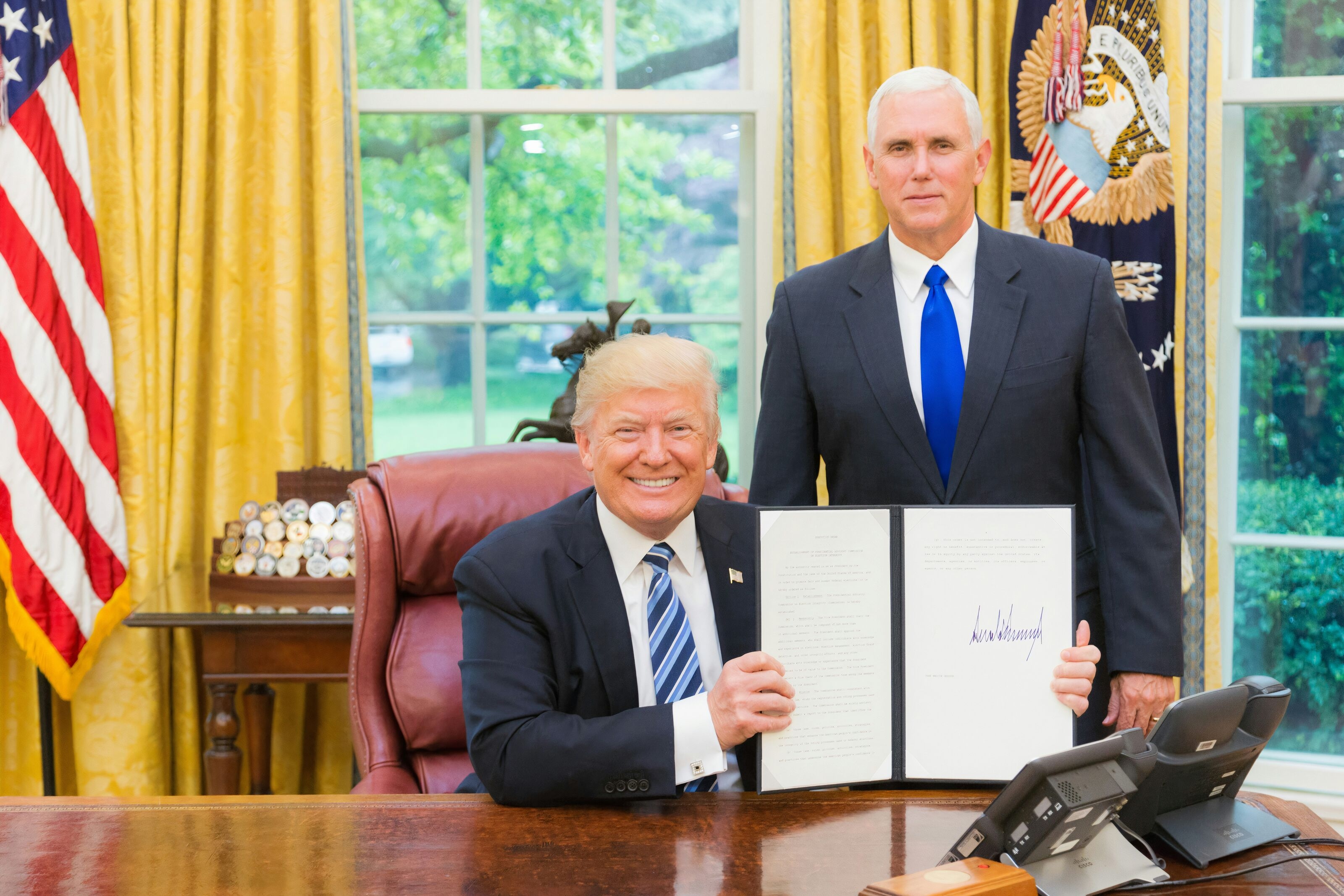
The latest round of tariffs introduced by Donald Trump is now facing a critical legal challenge in federal court, setting up a high-stakes test for US trade policy. The case could redefine how tariffs are applied in the future and reshape the balance of power between the White House and Congress. For American businesses and consumers, the outcome could directly impact prices, jobs, and economic stability.
Key Highlights
- Federal court review could determine legality of Trump tariffs
- Tariffs impact hundreds of billions of dollars in US imports
- Legal debate focuses on presidential vs. congressional authority
- Businesses warn of higher costs and supply chain risks
- Ruling could shape future US trade policies for years
Full Details: Legal Battle Over Trump Tariffs
The legal challenge to Trump tariffs marks a pivotal moment in US economic policy. At the center of the dispute is whether the executive branch overstepped its authority when imposing sweeping tariffs under national security provisions.
During his presidency, Trump relied heavily on Section 232 of the Trade Expansion Act, which allows tariffs on imports deemed a threat to national security. This move led to tariffs on steel, aluminum, and a wide range of goods, particularly targeting countries like China.
Critics argue that these tariffs were applied too broadly and without sufficient justification, effectively bypassing Congress. Supporters, however, claim the measures were necessary to protect American industries and reduce reliance on foreign imports.
According to the U.S. Court of International Trade, the current case will examine whether the legal framework used to justify these tariffs aligns with constitutional limits.
Global and Economic Context
Trump tariffs reshaped global trade flows, triggering retaliatory measures from major economies. The World Trade Organization has previously addressed disputes stemming from US tariff policies, highlighting tensions between protectionism and free trade.
Economists note that tariffs have had mixed effects:
- Boosted some domestic industries like steel
- Increased costs for manufacturers relying on imports
- Contributed to higher prices for consumers
Related topics
External Sources
What This Means for Americans
The outcome of this case could directly affect American households and businesses in several ways:
1. Consumer Prices
Tariffs often translate into higher costs for imported goods, from electronics to automobiles. A court ruling could either maintain or reduce these price pressures.
2. Jobs and Manufacturing
While tariffs aim to protect domestic jobs, they can also increase production costs for US manufacturers, potentially leading to layoffs or reduced hiring.
3. Market Stability
Uncertainty surrounding Trump tariffs can create volatility in financial markets, affecting retirement savings and investment portfolios.
4. Small Business Impact
Small and medium-sized businesses are particularly vulnerable, as they often lack the flexibility to absorb increased import costs.
Expert Analysis: Why This Case Matters Now
This legal challenge arrives at a time when global trade dynamics are already shifting. Supply chains are being restructured post-pandemic, and geopolitical tensions are influencing economic policy decisions.
Key Insight 1: Redefining Presidential Power
If the court limits the use of national security as justification for tariffs, future presidents may face stricter constraints, fundamentally altering US trade strategy.
Key Insight 2: Political and Economic Ripple Effects
Trade policy has become deeply politicized. A ruling against Trump tariffs could influence upcoming policy debates and election narratives.
Key Insight 3: Long-Term Trade Realignment
Even if tariffs are upheld, the case highlights the growing trend toward economic nationalism. The US may continue prioritizing domestic production over global integration.
Prediction
Experts believe the court’s decision could set a precedent that shapes US trade policy for the next decade, potentially redefining how tariffs are used as an economic tool.
Conclusion
The federal court test of Trump tariffs represents more than a legal dispute—it is a defining moment for US trade policy. With billions of dollars at stake and significant implications for consumers and businesses, the outcome could reshape the economic landscape.
As the case unfolds, all eyes remain on how the judiciary will balance executive authority with constitutional limits. Whatever the decision, it will leave a lasting impact on the future of American trade.


 US
US