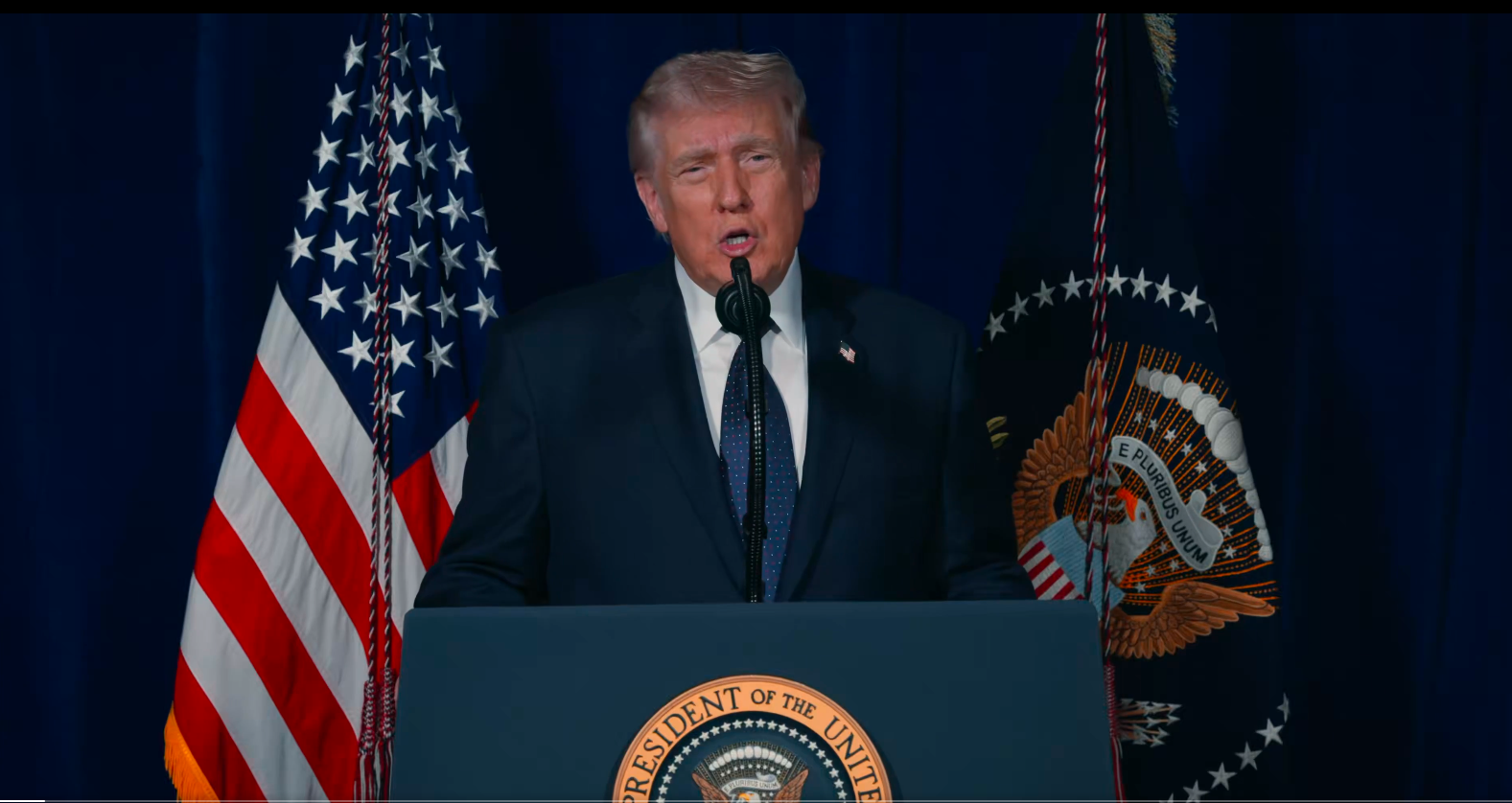
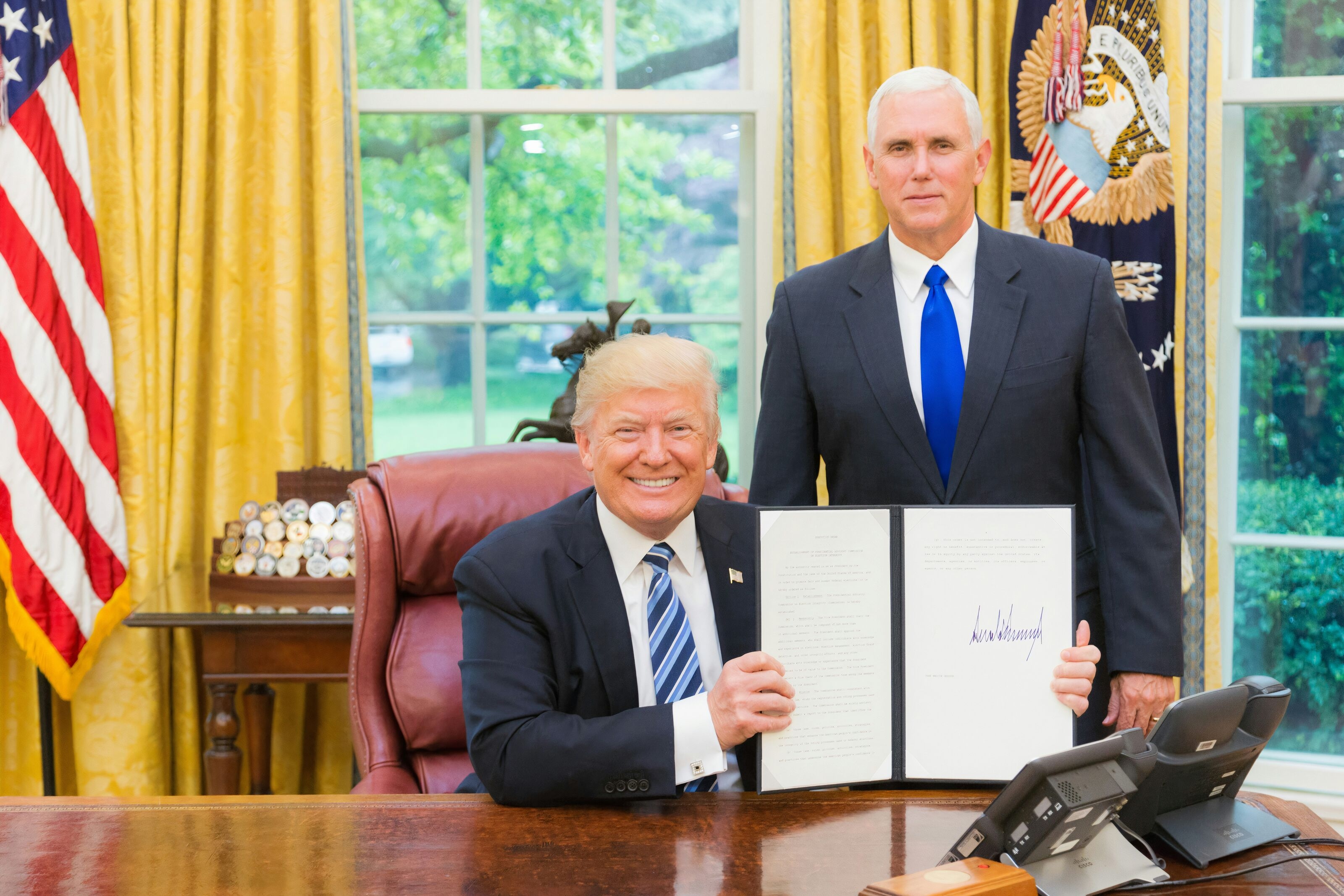
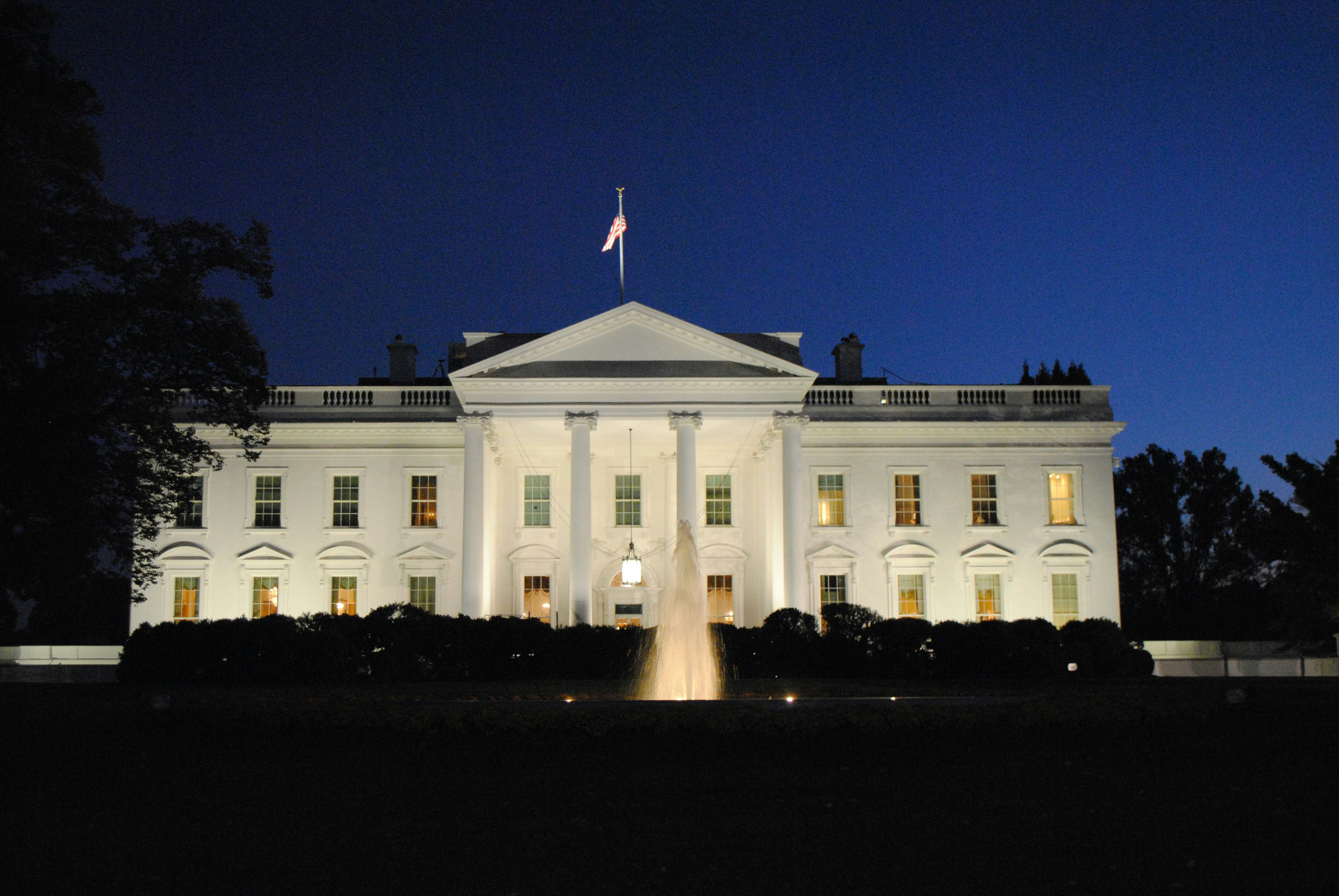
The United States was jolted this weekend by a dramatic and deeply unsettling incident: gunfire erupted near the White House Correspondents’ Dinner, one of the most high-profile political and media gatherings in Washington.
What should have been a night of speeches, satire, and networking quickly turned into chaos, fear, and urgent evacuation. The incident is now being investigated as a potential assassination attempt targeting Donald Trump, raising serious questions about political violence, security preparedness, and the broader climate in the country.
A Night That Turned Into Panic
The annual White House Correspondents’ Dinner, held at the Washington Hilton, typically hosts around 2,500 guests—including journalists, politicians, celebrities, and senior officials.
But on April 25, 2026, the atmosphere shifted in seconds.
- Gunshots were fired near the main security checkpoint
- Secret Service agents immediately moved to secure the area
- Attendees were told to get down and take cover
- President Donald Trump and other officials were evacuated
According to early reporting, one law enforcement officer was struck but survived thanks to protective gear, while the suspect was quickly subdued and taken into custody (https://www.reuters.com/business/media-telecom/white-house-says-press-dinner-shooting-was-third-major-assassination-attempt-2026-04-27/).
Inside the ballroom, confusion spread fast. Witnesses described overturned tables, shouting, and people hiding under chairs as armed agents rushed in.
What We Know About the Suspect
Authorities identified the suspect as a 31-year-old man from California who had traveled to Washington days before the event.
Key details emerging:
- The suspect allegedly carried multiple weapons
- A manifesto was reportedly sent before the attack
- He may face charges related to attempted assassination
- Investigators are examining political motives
Officials believe the suspect intended to target individuals connected to the administration (https://www.theguardian.com/us-news/2026/apr/26/details-white-house-correspondents-dinner-shooting).
This wasn’t random violence—it appears calculated, planned, and symbolic.
Security Breakdown or System Working?
One of the biggest questions right now: How did this happen at such a high-security event?
The dinner is not just another gathering—it’s effectively a national-level security event, with:
- The President
- Cabinet members
- Senior intelligence officials
- Hundreds of journalists
Yet the attacker managed to get close enough to fire shots.
Two ways to interpret this:
1. A serious security gap
Critics argue the attacker exploited vulnerabilities in event screening and access control.
2. A system that worked under pressure
Supporters point out that:
- The suspect was stopped before entering the main ballroom
- No mass casualties occurred
- High-value targets were protected
Both perspectives are now shaping the national debate.
The Bigger Issue: Rising Political Violence
This incident isn’t happening in isolation.
In fact, officials confirmed this was one of multiple serious threats involving Donald Trump in recent years, highlighting a pattern of escalating risk (https://www.reuters.com/business/media-telecom/white-house-says-press-dinner-shooting-was-third-major-assassination-attempt-2026-04-27/).
That points to a deeper problem: escalating political extremism in the US.
Why this trend is worrying:
- Increasing polarization across political lines
- Online radicalization and echo chambers
- Growing distrust in institutions
- More individuals acting alone (lone-wolf attacks)
What This Means (Real Impact on People)
This isn’t just a political story—it affects everyday people in real ways.
1. Expect tighter security everywhere
From airports to public events, security protocols are likely to increase.
2. Public gatherings may feel different
Large events involving political figures could become more restricted and controlled.
3. Media events may change permanently
The White House Correspondents’ Dinner itself may face stricter access rules—or even structural changes.
4. Increased fear and uncertainty
Incidents like this shape public perception, making political spaces feel less safe.
The Psychological Impact: Fear Beyond the Event
One of the most overlooked aspects is the psychological ripple effect.
Journalists and attendees described:
- Hiding under tables
- Hearing gunshots echo in enclosed spaces
- Not knowing where the shooter was
Moments like these leave lasting impressions—even if physical harm is limited.
And when such incidents happen at the highest levels of government, the message is clear:
👉 No place feels completely secure anymore.
Future Outlook: What Happens Next?
This incident will likely trigger a chain reaction of changes.
1. Security Overhaul
Expect reviews involving:
- Secret Service
- Department of Homeland Security
- Event security protocols
2. Political Debate Intensifies
Gun control, free speech, and political rhetoric will dominate discussions.
3. Increased Monitoring of Threats
Authorities may expand surveillance of potential threats, especially online.
4. Shift in Public Events
High-profile gatherings may become:
- Smaller
- More controlled
- Less accessible
Expert Insight: A Warning Sign, Not an Isolated Event
From an analytical perspective, this incident represents something bigger than a single attack.
It signals:
- A shift from organized threats to individual-driven violence
- Increased targeting of symbolic events
- A testing of security systems at high-profile venues
In other words, this is part of a pattern—not an exception.
FAQs
1. Was anyone killed in the White House shooting?
No fatalities have been reported. One officer was injured but is expected to recover.
2. Was Donald Trump the target?
Authorities are investigating, but early reports suggest the attack may have been politically motivated.
3. How did the suspect get so close?
The suspect reportedly breached the security perimeter near the screening area before being stopped.
4. Will this change security at US events?
Yes. Reviews are already underway, and stricter protocols are expected.
5. Is political violence increasing in the US?
Recent incidents suggest a concerning upward trend, especially involving lone actors.
The Bottom Line
The White House shooting incident is more than breaking news—it’s a reflection of a changing reality.
A reality where:
- Political tensions are spilling into violence
- Security systems are being tested
- Public confidence is being challenged
The immediate crisis may be over—but the bigger questions are just beginning.

 US
US