How Elon Musk’s SpaceX-xAI Merger Could Reshape AI and Space Technology
Elon Musk has taken one of the boldest steps of his career by merging two of his most ambitious ventures — SpaceX and the artificial intelligence company xAI — creating one of the largest private tech companies ever with an estimated valuation of $1.25 trillion. This unprecedented deal isn’t just a headline-grabbing business move; it reflects Musk’s long-term vision of uniting advanced AI with space infrastructure to break through the limitations of Earth-bound technology.
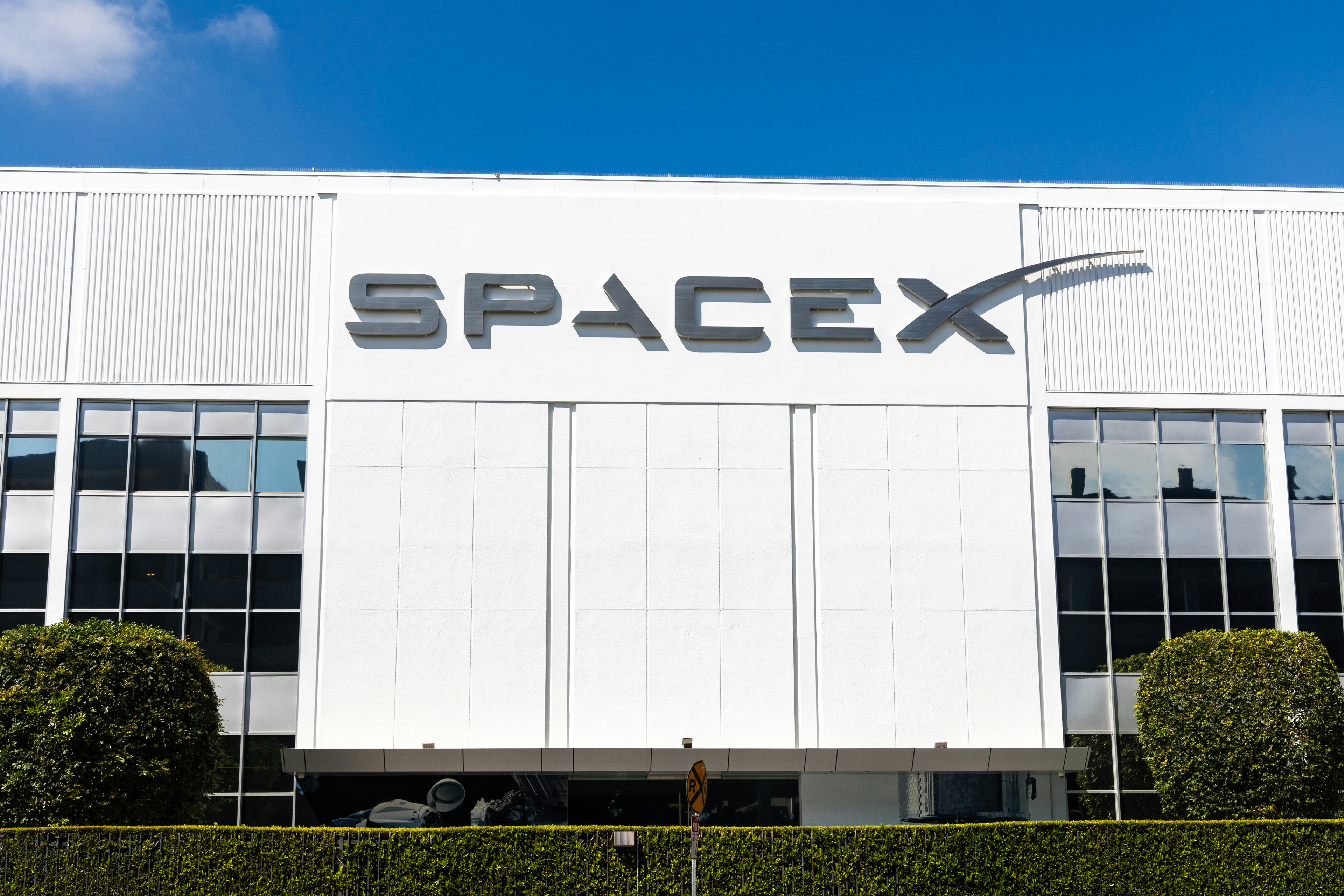
In early February 2026, SpaceX confirmed that it had acquired xAI in an all-stock transaction, structuring the AI company as a wholly owned subsidiary. The combined entity now brings together rocket launches, satellite internet, generative AI models, and a social media platform under one corporate umbrella.
A Record-Breaking Merger in Tech History
The merger represents one of the biggest deals in technology and corporate history. SpaceX, valued at roughly $1 trillion from its recent private share sales, absorbed xAI — itself worth approximately $250 billion before the deal — to create a combined powerhouse in aerospace and artificial intelligence. At $1.25 trillion in enterprise value, this transaction surpasses the previous largest merger on record.
According to reports, xAI investors will receive SpaceX shares in exchange for their holdings, giving them indirect ownership in what could soon be a public company. SpaceX is actively preparing for a blockbuster initial public offering (IPO) possibly slated for mid-2026, with expectations that the listing could value the company above $1.5 trillion.
Why Merge SpaceX with an AI Startup?
At first glance, the merger might seem like an unusual pairing: a spaceflight company combining with a cutting-edge AI startup. However, Musk and his leadership teams have repeatedly framed the acquisition as a necessary evolution to solve a looming technological challenge — the energy and infrastructure limits of terrestrial AI data centers.
Modern AI models require immense computing power, which is typically hosted in large data centers on Earth. These facilities consume vast amounts of electricity and need constant cooling, posing environmental and logistical challenges. Musk argues that Earth’s grids cannot sustainably support the next generation of AI advances without straining communities and the environment.
His ambitious alternative? Move data centers into space.
Space, powered by near-constant solar energy and offering natural radiative cooling, could theoretically provide the infrastructure needed to scale AI computing without the limitations faced on the ground. By deploying large numbers of satellites that double as orbiting data-center nodes, Musk envisions a future where AI compute power is abundant and sustainable — a concept far beyond traditional cloud infrastructure.
Uniting Technologies Across Musk’s Empire
The merger also integrates the AI company’s assets, including the Grok chatbot and the social platform X, into SpaceX’s broader mission. Grok, developed by xAI as a competitor to other generative AI models, now becomes part of SpaceX’s technology portfolio. X — formerly Twitter — offers a massive base of real-world data that could further fuel AI development.
Bringing these technologies together under SpaceX not only strengthens Musk’s hold on AI innovation but also reinforces a broader strategic “ecosystem” that spans electric vehicles (Tesla), brain-computer interfaces (Neuralink), and tunneling infrastructure (The Boring Company). Observers in the business world have even coined this network of interlinked companies the “Muskonomy.”
Investor and Market Impacts
For investors, the merger creates both excitement and questions. On one hand, combining SpaceX’s profitable launch business and Starlink satellite network with xAI’s AI assets boosts the narrative of a diversified high-growth company. SpaceX’s IPO could attract massive capital from global markets once the combined valuation exceeds $1 trillion.
On the other hand, some analysts caution that merging two companies with very different business models — one capital-intensive and hardware focused, the other software-driven and cash-hungry — could create integration challenges. xAI has reportedly burned billions of dollars as it scales its AI models and competes with giants like OpenAI, Alphabet, and Meta.
Additionally, xAI’s products, especially the Grok chatbot, have faced controversy, including investigations into harmful outputs and deepfake misuse in Europe. These regulatory pressures add another layer of complexity as SpaceX prepares for broader public scrutiny ahead of its IPO.
A Space-Oriented Vision for AI
Musk’s long-term goal for this merger goes beyond business structuring. He has publicly framed the tie-up as a stepping stone to building AI infrastructure in orbit and eventually expanding human technological presence beyond Earth. Whether that means establishing large data centers powered by solar satellites, manufacturing on the Moon, or even supporting autonomous systems for interplanetary missions, Musk sees no boundary between AI and space technology.
Critics, however, argue that the monumental technical and financial challenges of launching and maintaining orbital computing networks may be underestimated. Deploying millions of satellites and tying them into a scalable compute grid would require dramatic advancements in space logistics, hardware reliability, and inter-satellite networking.
What Happens Next?
Looking ahead, all eyes are on SpaceX’s anticipated IPO, Musk’s continued integration of xAI and X into the larger company infrastructure, and how regulators respond to this unprecedented tech consolidation. Analysts and industry watchers will also be watching how Musk balances his vision with shareholder expectations and the practical reality of deploying AI in space.
Whether this merger becomes a blueprint for the next era of AI and space innovation — or a cautionary tale of overreach — it undoubtedly marks a pivotal chapter in Elon Musk’s story and the broader technology landscape.

 Business