Pixar has officially returned to blockbuster dominance. Inside Out 2 has soared past expectations to become one of the highest-grossing animated films in cinematic history. The sequel to Pixar’s beloved 2015 original not only captivated audiences worldwide but also reestablished the power of emotional storytelling in a competitive global market.
With record-breaking ticket sales, strong international performance, and glowing reviews, Inside Out 2 has proven that animated films are not just for children—they are cultural events capable of dominating the global box office.
A Sequel Fans Waited Nearly a Decade For
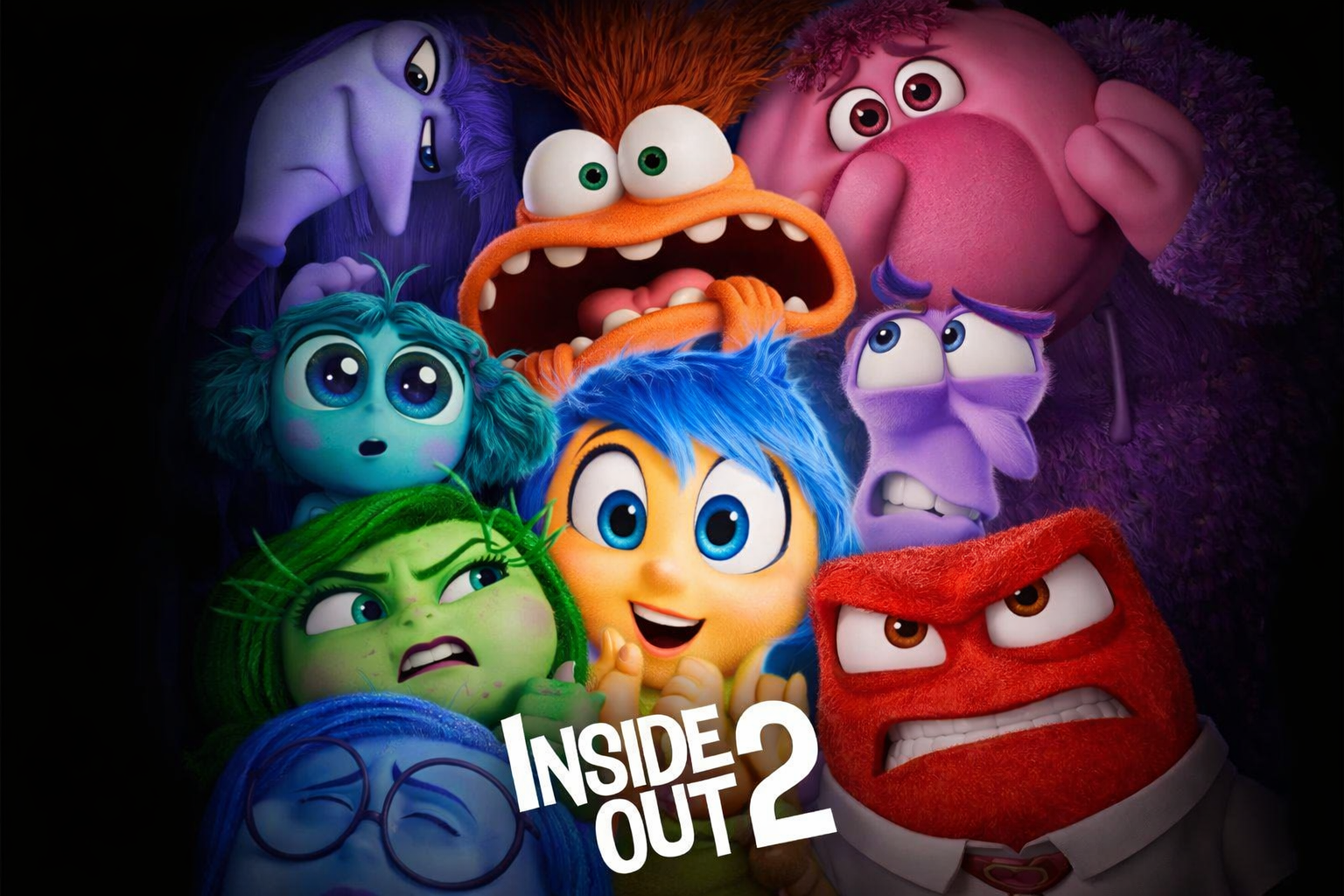
When the original Inside Out premiered in 2015, it quickly became one of Pixar’s most celebrated films. Its imaginative journey inside a young girl’s mind introduced audiences to personified emotions—Joy, Sadness, Anger, Fear, and Disgust—delivering a story that was heartfelt, intelligent, and universally relatable.
Nearly a decade later, the sequel expands that emotional universe. This time, Riley is entering her teenage years, and with adolescence comes a new wave of emotions. Anxiety, Envy, Embarrassment, and other fresh characters add complexity to the story, mirroring the real emotional turbulence of growing up.
The concept resonated instantly with audiences, especially families who grew alongside the original film.
Breaking Global Box Office Records
Inside Out 2 didn’t just perform well—it shattered expectations. The film crossed major global milestones within weeks of release, becoming one of the fastest animated movies to reach billion-dollar status worldwide.
Its success was fueled by:
-
Strong opening weekend numbers
-
Exceptional word-of-mouth marketing
-
High repeat viewership
-
Massive international turnout
Unlike some recent animated releases that struggled post-pandemic, Inside Out 2 demonstrated that theatrical animation remains a powerful draw. Families returned to cinemas in large numbers, proving that emotionally rich storytelling can compete against superhero films and action franchises.
Why Inside Out 2 Connected So Deeply
The film’s financial success is directly tied to its emotional intelligence. Rather than relying solely on colorful visuals and comedic moments, the sequel dives into real issues faced by teenagers—identity, social pressure, insecurity, and change.
By introducing Anxiety as a central character, the story tapped into a universally understood emotion in today’s fast-paced world. Parents appreciated the film’s thoughtful messaging, while younger viewers saw themselves reflected in Riley’s struggles.
This emotional relatability turned the movie into more than entertainment—it became a conversation starter for families.
Pixar’s Major Comeback Moment
In recent years, Pixar experienced mixed box office performance due to streaming releases and shifting audience habits. Inside Out 2 marks a major comeback for the studio, reaffirming its dominance in animated storytelling.
Industry analysts now view the film as a turning point for theatrical animation. It shows that:
-
Original storytelling still matters.
-
Emotional depth drives repeat viewership.
-
Animated films can generate blockbuster-level revenue globally.
For Disney and Pixar, this success strengthens confidence in future theatrical releases.
Critical Reception and Audience Praise
Critics praised the sequel for expanding the emotional world without losing the heart of the original. The screenplay was widely recognized for balancing humor with vulnerability, while the animation received acclaim for its vibrant design and creative representation of the teenage mind.
Audiences responded just as enthusiastically. High audience scores and social media buzz fueled continued ticket sales weeks after release. Many viewers described it as “even more relatable” than the first film.
This rare alignment between critics and audiences helped sustain long-term box office momentum.
Cultural Impact Beyond the Box Office
The influence of Inside Out 2 extends beyond revenue numbers. The film sparked discussions about mental health, emotional awareness, and parenting in modern times. Teachers, counselors, and psychologists praised the movie for normalizing conversations around anxiety and personal growth.
Merchandising, streaming anticipation, and awards season chatter further cemented its cultural presence. From social media trends to classroom discussions, the movie has become a defining animated release of its era.
Awards Season Potential
Given its commercial dominance and emotional depth, Inside Out 2 is widely expected to be a major contender during awards season, particularly in the Best Animated Feature category.
While animated films often face stiff competition, Pixar’s reputation combined with the sequel’s record-breaking performance makes it a strong favorite. If recognized at major ceremonies, it could add critical validation to its already historic run.
What This Means for the Future of Animation
The success of Inside Out 2 sends a clear message to Hollywood: audiences crave meaningful animated storytelling.
Rather than chasing trends, the film doubled down on character development and universal emotions. Its performance may encourage studios to invest in thoughtful sequels and original animated properties instead of relying solely on established franchises.
In many ways, Inside Out 2 represents a new golden moment for theatrical animation—where emotional authenticity and box office power go hand in hand.
Final Thoughts
Becoming one of the highest-grossing animated films ever is no small achievement. Inside Out 2 accomplished this by combining nostalgia, innovation, and emotional truth into a cinematic experience that resonated worldwide.
Pixar’s sequel didn’t just entertain—it connected. And in doing so, it proved that stories about feelings can generate billion-dollar results.
As the film continues its historic run, one thing is clear: the emotions are here to stay.

 Entertainment