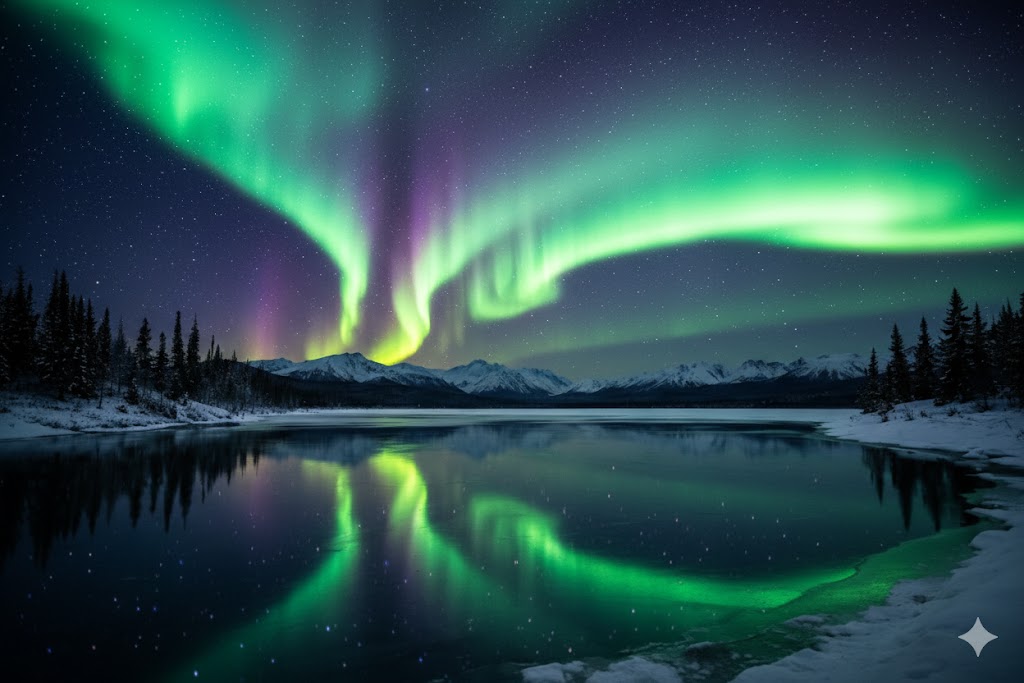
If you’ve ever dreamed of witnessing the dazzling curtains of color known as the Northern Lights, spring 2026 may offer one of the most promising chances in years. This year’s unique combination of solar conditions, equinox timing, and sky darkness creates a rare window for aurora watchers — especially between mid-March and late March. Whether you’re planning a once-in-a-lifetime trip or simply want to know when and where to see the aurora borealis, 2026 could be an exceptional year for celestial skywatching.
What Makes Spring 2026 Special for Aurora Viewing?
The Northern Lights occur when highly charged particles from the sun interact with Earth’s magnetic field, exciting atmospheric gases that glow in vibrant hues of green, red, and purple. While auroras are visible each year, certain conditions make them more frequent and intense — and 2026 has several of those conditions working in its favor.
First, the spring equinox — which falls on March 20 — plays a crucial role. Around the equinox, Earth’s tilt and magnetic orientation allow solar wind particles to more easily enter the upper atmosphere. This seasonal phenomenon, known as the Russell-McPherron effect, statistically increases geomagnetic activity and boosts the chances of strong aurora displays.
Compounding that advantage, solar activity remains elevated even as the sun descends from its recent maximum phase in its 11-year cycle. Years immediately following a solar maximum often produce turbulent space weather capable of dramatic auroras that reach farther south than usual — another reason 2026 stands out for skywatchers.
Perhaps most crucial for observers is the timing of the moon. A new moon on March 18–19 will create exceptionally dark skies just as the equinox approaches, making even faint auroras easier to spot without heavy moonlight washing out the display.
When Is the Best Time to Watch?
For those targeting spring 2026, the prime aurora window is between March 11 and March 24 — especially around equinox-related peaks in geomagnetic activity. Within that period, the darkest nights occur away from the full moon, and the best hours for visibility are generally between 10 p.m. and 2 a.m. local time, when auroral activity most often reaches its peak.
While auroras can appear at other times of night — and even earlier depending on solar storms — following forecasts and waiting out clear, dark skies during these peak hours dramatically increases your chances of witnessing a spectacular display.
Where to Go for the Best Views
For international aurora hunters, the classic destinations remain the same: the Nordic countries, northern Canada, Iceland, and Alaska. Places such as northern Norway, Swedish and Finnish Lapland, and Iceland’s remote Westfjords offer some of the most consistent and vivid aurora sightings thanks to their proximity to the auroral oval — the ring-shaped zone of frequent activity near the magnetic pole.
In the United States, northern states such as Alaska, Montana, northern Minnesota, Michigan, and even upstate New York can offer aurora views on especially active nights. Though these areas are farther south than the Arctic Circle, strong geomagnetic activity — such as around the March equinox — can push auroras into lower latitudes.
Choosing a location with minimal light pollution and high chances of clear skies is essential. National parks, rural regions, and designated dark-sky sites provide the best canvas for aurora viewing, free from the glare of urban lights.
How to Plan Your Trip
Planning a successful aurora trip requires flexibility and patience. Since visibility depends on dynamic solar conditions and local weather, many experienced skywatchers recommend booking multiple nights in one location rather than banking on a single evening. This gives you more opportunities to venture out when conditions align.
In addition to perfect timing, a few practical planning tips can boost your odds:
-
Monitor aurora forecasting tools such as NOAA’s Space Weather Prediction Center or Aurorasaurus, which provide real-time geomagnetic activity alerts.
-
Avoid bright moon phases by timing your trip around new or crescent moons.
-
Choose clear, dark nights with minimal cloud cover — check local weather forecasts before heading out.
-
Dress in layers and stay comfortable even during long night watches; northern regions in March can still be cold.
-
Consider guided tours or lodging with aurora amenities, especially in Iceland or Norway, where services notify guests when lights appear.
Expectations vs. Reality
It’s important to remember that even during peak aurora years, the Northern Lights are a natural and unpredictable phenomenon. Displays can vary from faint glimmers to blazing curtains of color, and sometimes the most memorable nights involve waiting and watching the sky shift over hours.
Patience and flexibility are key, and travelers who embrace the entire experience — from stargazing to local culture and scenery — are often the most satisfied. Spring also offers milder weather and longer daylight hours for daytime excursions, which can make a Northern Lights trip feel more well-rounded than a winter-only itinerary.
Final Thoughts
Spring 2026 offers a rare convergence of conditions that could make it one of the best times in years to see the Northern Lights. With the spring equinox, elevated solar activity, and a new moon creating ideal darkness, this window could produce spectacular aurora sightings across the Arctic Circle and even farther south. Whether you’re a seasoned aurora chaser or planning your first venture into the Arctic night, mid-to-late March presents a prime opportunity to witness one of nature’s most breathtaking light shows.

 Travel