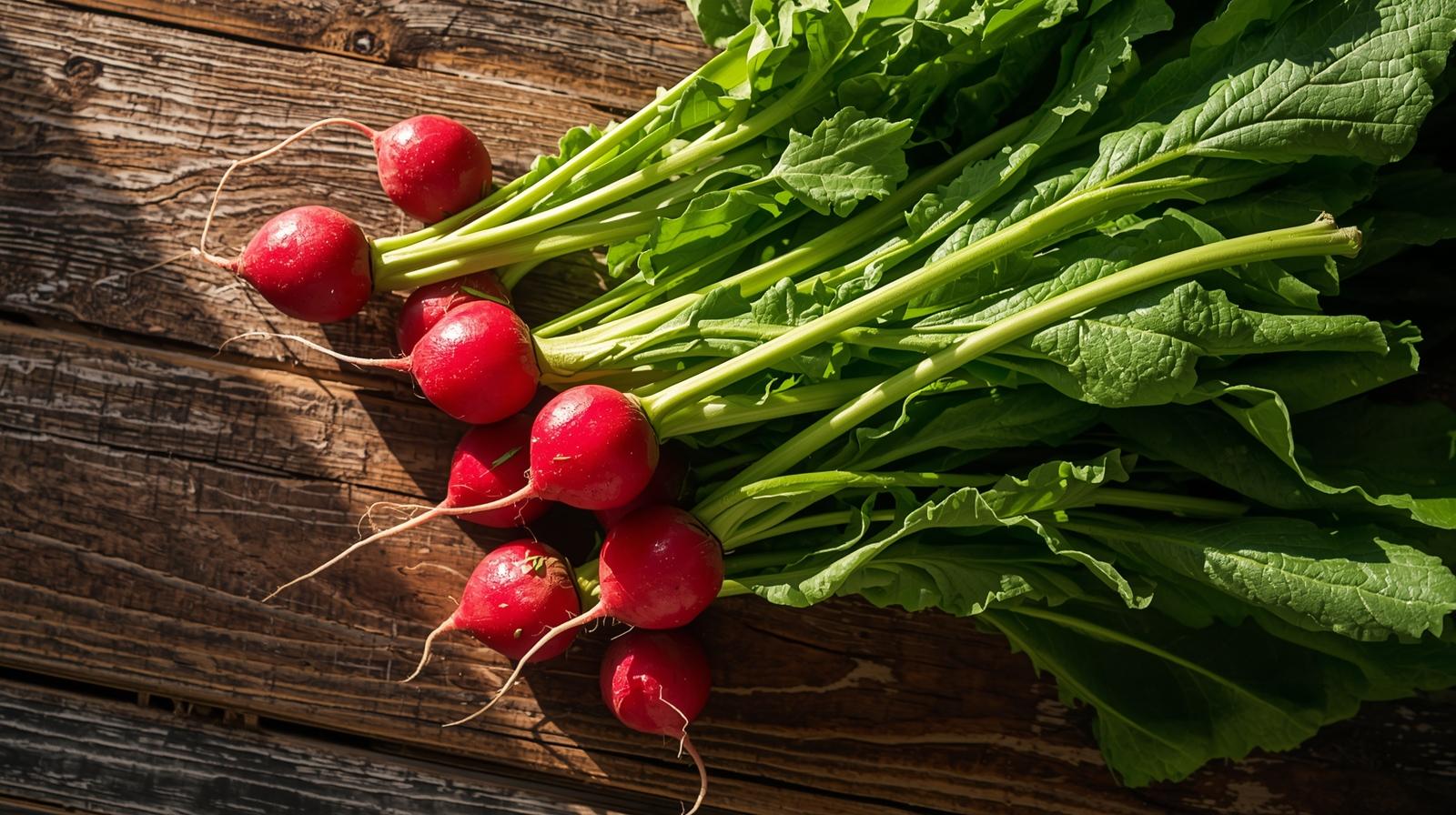
Most of us toss the leafy tops of radishes into the compost without a second thought. But what if that familiar green, often discarded, is actually one of the healthiest parts of the plant? Recent research suggests radish greens — the leafy tops attached to the root vegetable — are packed with compounds that may support gut health, immune function, metabolism, and more.
Radish (scientific name Raphanus sativus) is a crunchy, peppery root vegetable commonly found in salads and garnishes. However, its greens — rich, leafy, and slightly bitter — are surprisingly beneficial and deserve a place on your plate.
What Makes Radish Greens So Special?
1. Loaded With Bioactive Nutrients
Scientists reviewing the latest nutrition research have found that radish greens are particularly rich in polyphenols and flavonoids, plant compounds known for their antioxidant and anti-inflammatory power. These nutrients help neutralize harmful free radicals in the body, protecting cells from damage that can lead to chronic disease.
Compared with the radish root itself, the greens often have higher concentrations of these beneficial compounds, making them a nutritional powerhouse rather than waste.
Health Benefits You Can’t Ignore
Here are some of the key ways greening up your meals with radish leaves can benefit your health:
2. Promotes Gut and Digestive Health
Radish greens contain polysaccharides — complex carbohydrates that function similarly to dietary fiber. One of these, called rhamnogalacturonan, has been shown to support a healthy gut microbiome and may even help ease common digestive discomforts.
Dietary fiber also encourages regular bowel movements and can support a balanced gut environment, which is linked to overall health.
3. Rich in Vitamins and Minerals
Radish leaves are nutrient dense. They offer a solid dose of vitamin C, vitamin K, potassium, magnesium, iron, and calcium, all essential for daily health. These micronutrients help with immune support, bone strength, blood clotting, and more.
In fact, radish greens provide significantly more vitamin C and vitamin K than the root alone. Regularly eating leafy greens like these can help fill gaps in your diet naturally.
4. Supports Immune Function and Skin Health
Due to their high vitamin C content and antioxidant levels, radish greens may help strengthen immune defenses and support healthy skin. Vitamin C is critical for collagen production, which keeps skin firm and youthful.
5. May Help Lower Blood Pressure
Potassium is a key mineral that helps regulate blood pressure by balancing sodium levels and relaxing blood vessel walls. Radish greens contain good amounts of potassium, making them a heart-healthy addition to meals.
This effect has been discussed in traditional nutrition sources that note radish greens can help maintain healthy blood circulation and potentially lower the risk of hypertension.
6. Dietary Fiber for Weight and Blood Sugar Control
High-fiber foods like radish leaves contribute to feelings of fullness and slow the rise of blood sugar after meals. This can help support healthy weight management and blood sugar control — important benefits for anyone focusing on long-term wellness.
Are Radish Greens Safe to Eat?
Yes — radish greens are edible and safe when washed thoroughly and prepared properly. They’re widely consumed in cultures around the world, particularly in Asian cuisines, where both the root and greens are cooked or added to salads.
However, like all leafy greens, they may carry traces of contaminants from soil or water if not cleaned well. Rinse them thoroughly under running water before eating or cooking to ensure safety.
How to Enjoy Radish Greens
Radish greens have a flavor similar to arugula or mustard greens — slightly peppery and earthy. Younger, tender greens are milder and best for salads, while larger, more mature leaves are great for cooking.
Here are some popular ways to use them:
-
Add fresh radish greens to salads or sandwiches
-
Mix into soups, stews, or stock
-
Sauté with olive oil, garlic, and a pinch of salt
-
Blend into pesto with basil, nuts, and lemon juice
-
Stir into grains, rice, or pasta dishes
Cooking improves texture and makes even larger, slightly bitter leaves delicious.
Reduce Waste and Boost Nutrition
We so often trim radish leaves away and throw them out — but that’s food waste and lost nutrition. Not only do radish greens offer important health benefits, they also help reduce food waste and expand your culinary creativity.
If you’re looking for a simple way to get more nutrients in your diet — without buying exotic greens — radish leaves are an easy, affordable, and sustainable option.
Final Takeaway
Radish greens are far more than garden scraps. Packed with antioxidants, fiber, vitamins, minerals, and unique compounds like rhamnogalacturonan, they offer digestive, immune, and metabolic support. Whether you enjoy them raw or cooked, they’re a versatile and health-boosting addition to meals that deserve a place at your table.

 Food
Food