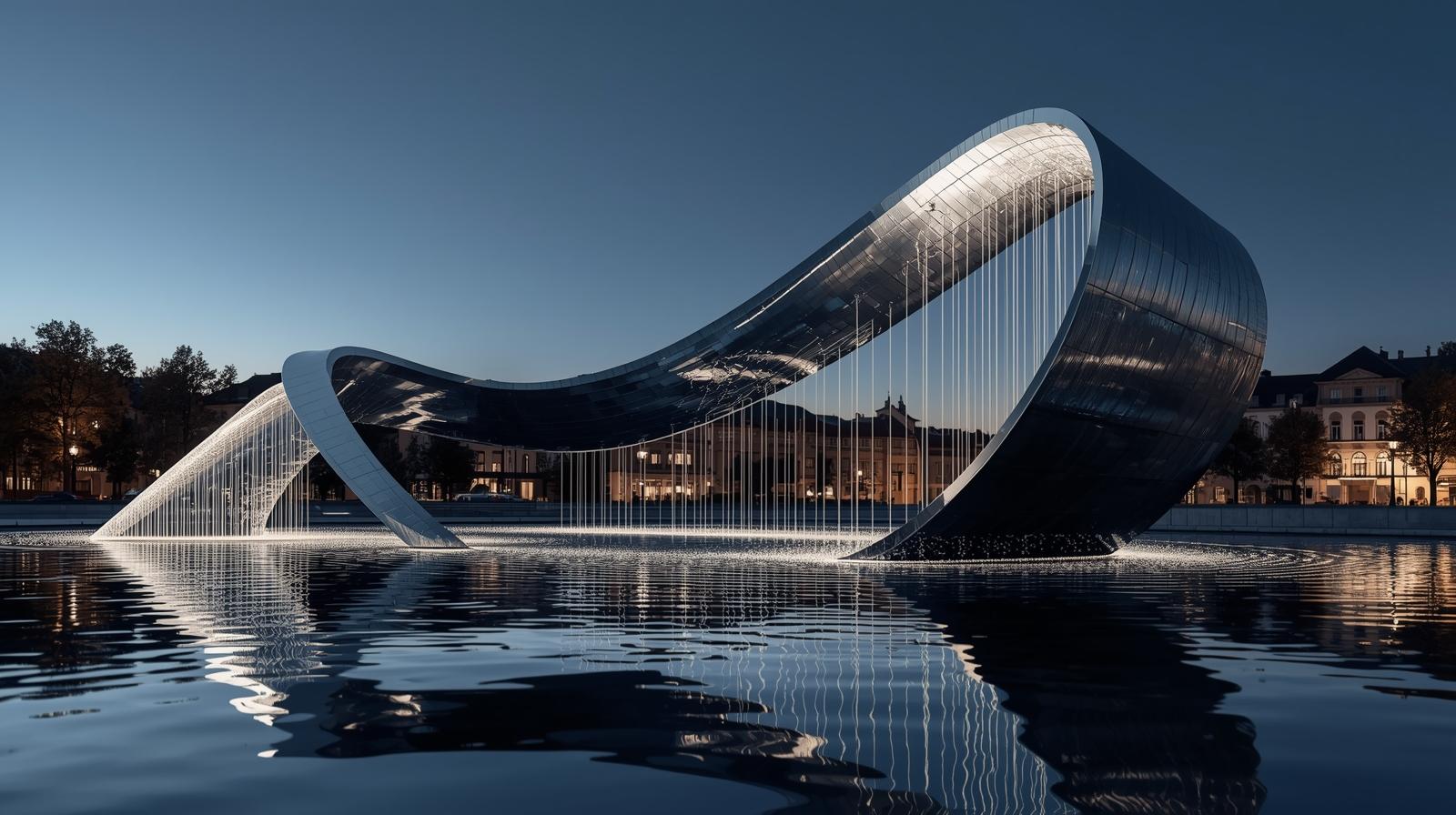
The world of concept art is undergoing a radical transformation, and artificial intelligence (AI) is at the center of this revolution. Concept art has always been the backbone of creative industries, from video games and animation to movies and virtual reality. Traditionally, it has relied on the skills of human artists to bring imaginative worlds, characters, and objects to life. However, AI generators are now reshaping the way artists create, collaborate, and conceptualize ideas, changing the landscape of visual storytelling forever.
The Rise of AI in Concept Art
Over the past few years, AI-powered tools such as DALL·E, MidJourney, and Stable Diffusion have gained significant traction. These platforms use advanced machine learning algorithms to generate images based on textual prompts. For concept artists, this means a dramatic shift in workflow. Instead of starting from scratch, artists can input detailed descriptions and instantly receive multiple visual interpretations, allowing for rapid ideation and experimentation.
This is particularly transformative in industries like gaming and film, where timelines are tight and the demand for visual assets is high. AI generators accelerate the creative process, reducing the hours traditionally spent sketching and rendering preliminary concepts. This does not replace the artist but rather enhances their capabilities, giving them tools to visualize ideas more efficiently and explore creative directions that may not have been considered otherwise.
Redefining the Role of the Concept Artist
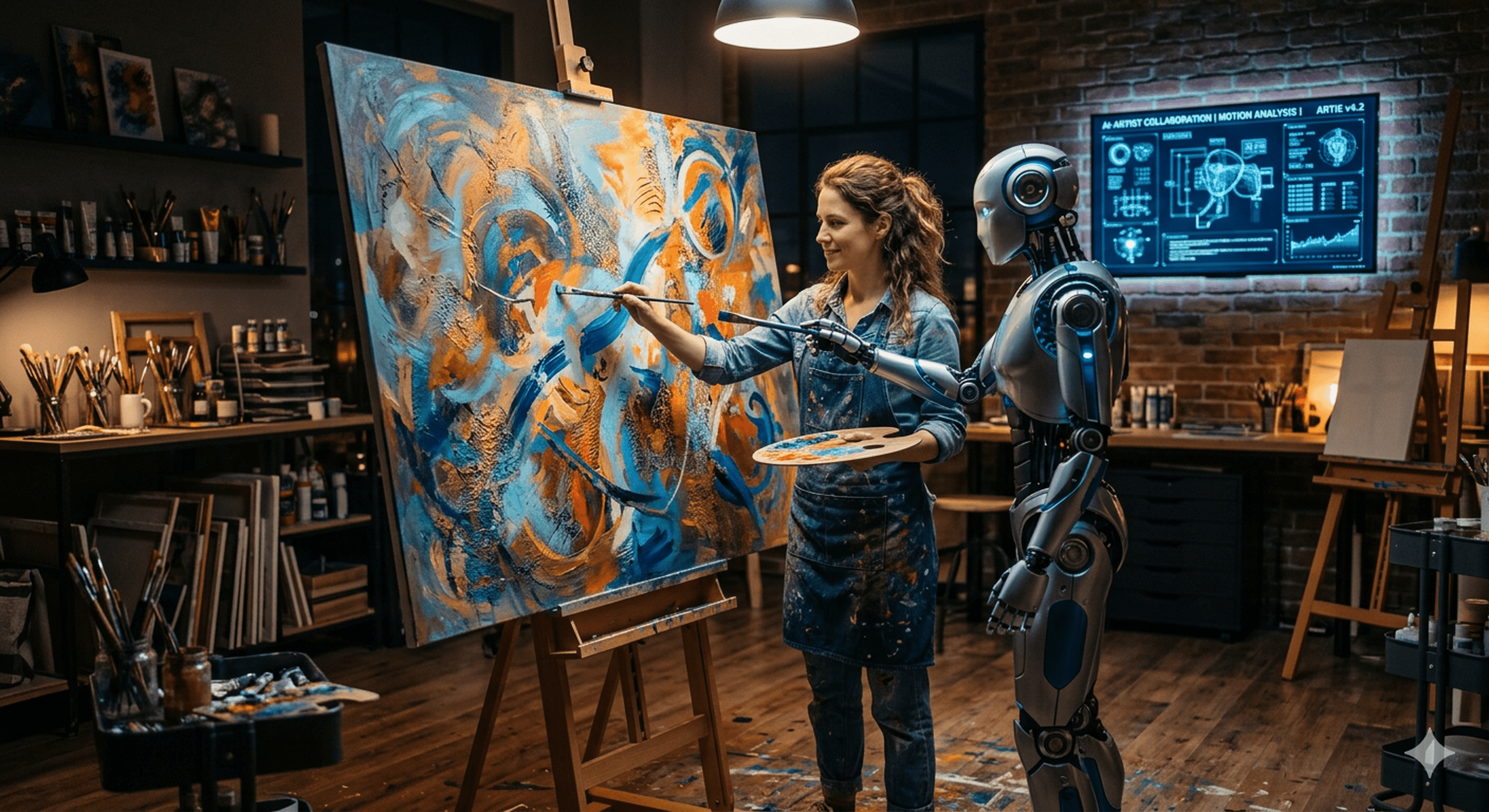
With AI generators, the role of a concept artist is evolving from manual creator to creative curator. Artists now act as guides, providing prompts and refining AI outputs to achieve the desired aesthetic. This collaboration between human intuition and machine computation has opened up new possibilities in design, pushing the boundaries of creativity.
Furthermore, AI allows artists to experiment with styles and techniques that may have been challenging or time-consuming to replicate manually. For example, an artist can instantly generate a series of futuristic cityscapes, each with unique lighting and architectural styles, helping directors, game designers, or writers visualize complex worlds in ways that were previously unattainable.
Ethical Considerations and Copyright Challenges
While the benefits of AI-generated concept art are immense, the rise of these tools also raises ethical questions. Concerns about copyright and originality have become central to discussions in the creative community. AI generators learn from vast datasets of existing artworks, and some critics argue that this could infringe on the intellectual property of traditional artists.
Many studios and artists are now navigating how to credit AI-assisted works appropriately and determining where human authorship begins and ends. These conversations are crucial to ensure that the industry maintains both innovation and respect for artistic integrity.
AI as a Tool, Not a Replacement
It is essential to recognize that AI generators are tools designed to enhance, not replace, human creativity. While they can produce impressive visuals in seconds, they lack the emotional depth, narrative understanding, and subjective judgment that human artists bring to the table. Concept art is not just about aesthetics; it’s about storytelling, emotion, and atmosphere — aspects that remain uniquely human.
Artists who embrace AI can focus more on the strategic and conceptual elements of their work, allowing machines to handle repetitive or time-intensive tasks. This synergy can lead to more polished, creative, and visionary outputs that blend the strengths of both human intuition and machine efficiency.
The Future of Concept Art with AI
Looking forward, AI-generated concept art will likely continue to evolve alongside advancements in machine learning. Future AI tools may offer real-time collaboration features, adaptive learning from an artist’s style, and seamless integration with 3D modeling and animation pipelines. This could revolutionize not only how concept art is produced but also how it informs the entire production process in games, films, and digital media.
As AI continues to shape the industry, the role of the concept artist will become increasingly strategic, focusing on storytelling, vision, and innovation. By leveraging AI, artists can explore more ideas, push creative boundaries, and ultimately bring even more immersive and captivating worlds to life.
Conclusion
AI generators are undeniably changing concept art forever. They offer unprecedented speed, flexibility, and creative potential, transforming the traditional workflow and redefining the role of artists. While ethical and copyright concerns remain, the collaboration between humans and AI is already proving to be a powerful force in the creative world. Concept art is entering a new era — one where imagination and technology intersect, promising a future full of innovation, inspiration, and visual storytelling like never before.

 Art
Art