Introduction: A State Visit With Deeper Strategic Meaning
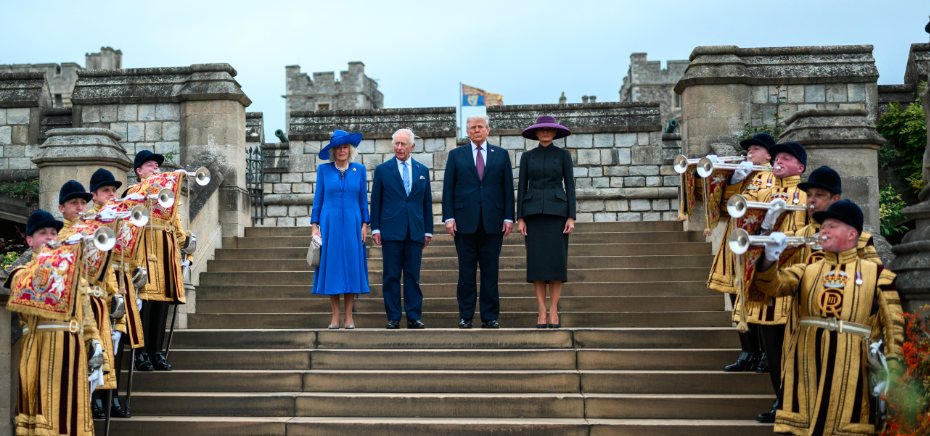
When King Charles III begins his first official U.S. state visit as monarch, the public narrative naturally focuses on ceremony—guard of honor, White House meetings, and formal banquets. However, the real significance of this visit goes far beyond protocol.
This is not just a diplomatic tradition. It is a carefully timed geopolitical signal delivered at a moment when global alliances are under pressure, power dynamics are shifting, and Western unity is being quietly tested.
The real question is not what happens during the visit—but why it matters now, and what it reveals about the future of U.S.–UK relations.
Primary Keyword: King Charles III U.S. state visit
The Special Relationship: Strong Symbol, Changing Reality
The U.S.–UK alliance, often described as a “special relationship,” has historically been one of the most stable partnerships in modern geopolitics. It has survived world wars, economic crises, and ideological shifts.
Yet beneath the surface, the relationship is evolving.
Key structural changes include:
- The United States prioritizing the Indo-Pacific region
- The United Kingdom redefining its post-Brexit global identity
- Increased fragmentation within Europe’s security and economic policies
This state visit is therefore less about celebrating an alliance and more about reaffirming continuity in an uncertain world.
Why King Charles III’s Role Is Different From Past Monarchs
The comparison with Queen Elizabeth II is unavoidable, but the geopolitical context has changed significantly.
1. A New Global Order
Queen Elizabeth II presided over a largely Western-dominated international system. King Charles III enters a world shaped by:
- Multipolar power competition
- Rising influence of China and regional blocs
- Increased instability in global governance systems
2. A More Active Personal Agenda
Unlike his predecessor, Charles is closely associated with issues such as:
- Climate change advocacy
- Sustainable development
- Interfaith cooperation
This gives his diplomacy a more thematic and policy-linked dimension.
3. A Monarchy Under Scrutiny
Modern audiences question institutions more openly than before. As a result, this visit is also about reaffirming relevance in the 21st century, not just diplomacy.
Diplomatic Context: Tensions Beneath the Formality
Although the visit appears ceremonial, it occurs against several underlying geopolitical pressures.
1. Post-Brexit Economic Uncertainty
The UK’s exit from the European Union continues to reshape its global economic position. Despite strong ties, there is still no comprehensive U.S.–UK trade agreement.
This creates a diplomatic gap that visits like this aim to stabilize.
2. NATO Burden-Sharing Pressures
Both countries remain central to NATO. However:
- The U.S. has pushed allies to increase defense spending
- The UK faces domestic budget constraints
- European defense coordination is still evolving
The visit reinforces unity without directly addressing these tensions.
3. Climate and Energy Policy Divergence
King Charles III has long advocated environmental responsibility, while U.S. policy often shifts with political leadership.
This creates a subtle but important diplomatic balancing act:
alignment in principle, but variation in implementation.
Soft Power: The Real Tool Behind the Visit
Unlike elected leaders, monarchs do not negotiate treaties or pass legislation. Instead, their influence operates through soft power.
What soft power achieves:
- Strengthens trust between governments
- Reinforces shared cultural identity
- Reduces friction in formal negotiations
- Maintains long-term diplomatic continuity
In this sense, the visit is not about immediate policy outcomes. It is about stabilizing the emotional and symbolic foundation of the alliance.
Why the United States Pays Attention
Even in a politically independent system like the U.S., royal visits still carry strategic value.
1. Security Cooperation
The U.S. and UK are core members of the intelligence-sharing network known as Five Eyes. This includes cooperation on:
- Cybersecurity threats
- Terrorism prevention
- Global surveillance coordination
The stability of this relationship has direct national security implications.
2. Economic Interdependence
The UK remains one of the largest foreign investors in the United States. Financial and corporate links between the two economies remain deeply integrated, especially in:
- Banking systems
- Technology sectors
- Capital markets
3. Cultural and Institutional Influence
Beyond economics and security, there is a long-standing cultural exchange involving education, media, and policy influence.
These ties create long-term alignment that outlasts political cycles.
Internal Political Dimensions in Both Countries
This visit is also shaped by domestic considerations.
In the United States:
- Foreign diplomacy must balance domestic political priorities
- Public interest in monarchy varies widely
- State visits are often evaluated through a political lens
In the United Kingdom:
- The monarchy faces ongoing scrutiny over its role in modern society
- Public expectations for transparency and relevance are increasing
- King Charles III must demonstrate institutional adaptability
This creates a dual objective: diplomacy abroad and legitimacy at home.
What This Visit Will Not Do
To understand its true significance, it is important to clarify limitations.
This visit will NOT:
- Produce immediate trade agreements
- Resolve defense spending debates
- Change global strategy overnight
Instead, it will:
- Strengthen diplomatic trust
- Maintain continuity between governments
- Support long-term policy alignment
In diplomacy, these outcomes are often more important than visible announcements.
Real Impact: What Actually Changes After the Visit
Short-Term Effects:
- Strengthened diplomatic messaging
- Increased media focus on U.S.–UK relations
- Reinforced alliance visibility
Medium-Term Effects:
- Potential momentum in trade discussions
- Expanded cooperation in climate and technology
- Improved coordination in security policy
Long-Term Effects:
- Reinforced Western alliance cohesion
- Stabilized intelligence-sharing frameworks
- Continued influence of shared democratic institutions
Broader Global Context: A Shifting World Order
This visit should also be understood within a larger global transformation.
The international system is transitioning from:
- A unipolar structure dominated by the United States
to
- A multipolar system with multiple regional power centers
In this environment:
- Alliances must be continuously maintained
- Symbolic diplomacy becomes increasingly important
- Trust becomes a strategic asset
The visit represents an effort to preserve alignment during this transition.
Related Context: Global Stability and Security Awareness
Diplomatic events often occur alongside global tensions and security developments that shape public perception of international leadership.
For related background analysis on global security incidents and political sensitivity in Washington, see:
https://usablogtoday.com/blogs/white-house-shooting-news-2026
Understanding broader security contexts helps explain why diplomatic symbolism carries additional weight during periods of uncertainty.
External References for Further Reading
For deeper context on state visits and international diplomacy:
Key Takeaways
- King Charles III’s visit is strategic, not purely ceremonial
- The U.S.–UK relationship is stable but evolving
- Soft power plays a central role in modern diplomacy
- Global power shifts increase the importance of symbolic visits
- Long-term influence matters more than short-term agreements
Conclusion: Why This Visit Matters Beyond Ceremony
The first U.S. state visit of King Charles III as monarch is not about immediate political breakthroughs. It is about reinforcing an alliance that is adapting to a rapidly changing global order.
In a world where power is increasingly fragmented, even symbolic diplomacy becomes a stabilizing force.
This visit does not reshape global politics overnight—but it helps ensure that one of the world’s most important alliances continues to function, adapt, and endure.

 US
US