Introduction
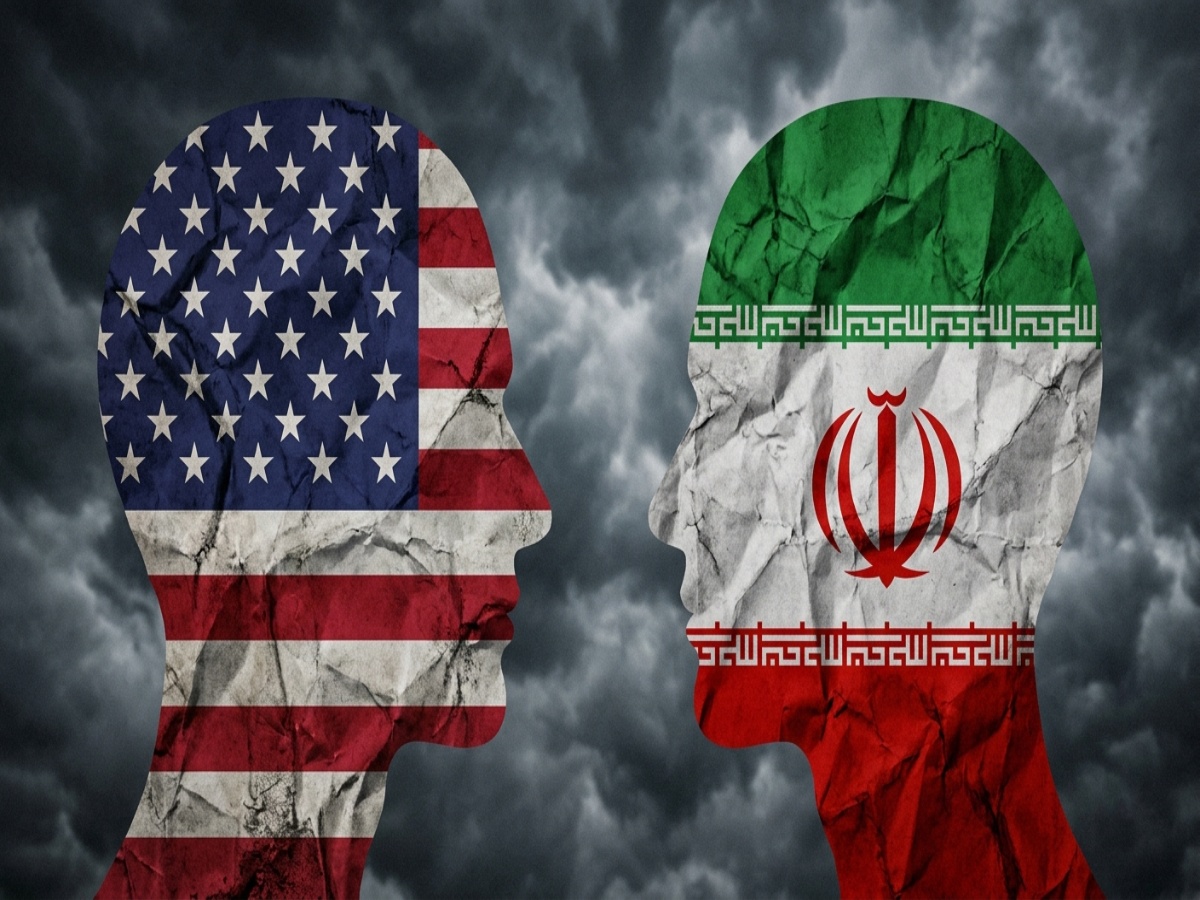
Diplomatic efforts between the United States and Iran have hit another roadblock, as an Iranian official accused Washington of making “maximalist” demands that have derailed face-to-face negotiations. The stalled talks—primarily focused on reviving a nuclear agreement—signal rising geopolitical uncertainty that could ripple across global markets, including oil prices and the US economy.
The breakdown comes at a critical moment, with tensions already simmering in the Middle East and energy markets reacting to even minor geopolitical shifts.
Key Highlights
- Iran accuses the US of imposing “maximalist” conditions in nuclear talks
- Direct negotiations remain stalled, with no confirmed timeline for resumption
- Oil markets show early signs of volatility amid rising geopolitical risk
- US policymakers face pressure ahead of upcoming economic data cycles
- Experts warn prolonged deadlock could impact global energy supply chains
Full Details: Why Talks Have Stalled
The diplomatic impasse centers on attempts to revive the 2015 nuclear deal, formally known as the Joint Comprehensive Plan of Action. The agreement once limited Iran’s nuclear activities in exchange for sanctions relief but has been effectively dormant since the US withdrawal in 2018.
According to Iranian officials, Washington’s current negotiating stance includes demands that go beyond the original framework—particularly around inspections, missile programs, and regional influence. Tehran has labeled these conditions as unrealistic, arguing they undermine the possibility of a balanced agreement.
US officials, however, maintain that stricter conditions are necessary given Iran’s expanded nuclear capabilities since the deal’s collapse.
For broader geopolitical context, readers can explore related developments in our coverage of rising Middle East tensions and energy risks:
External sources also highlight the growing uncertainty:
What This Means for the US
1. Energy Prices Could Spike
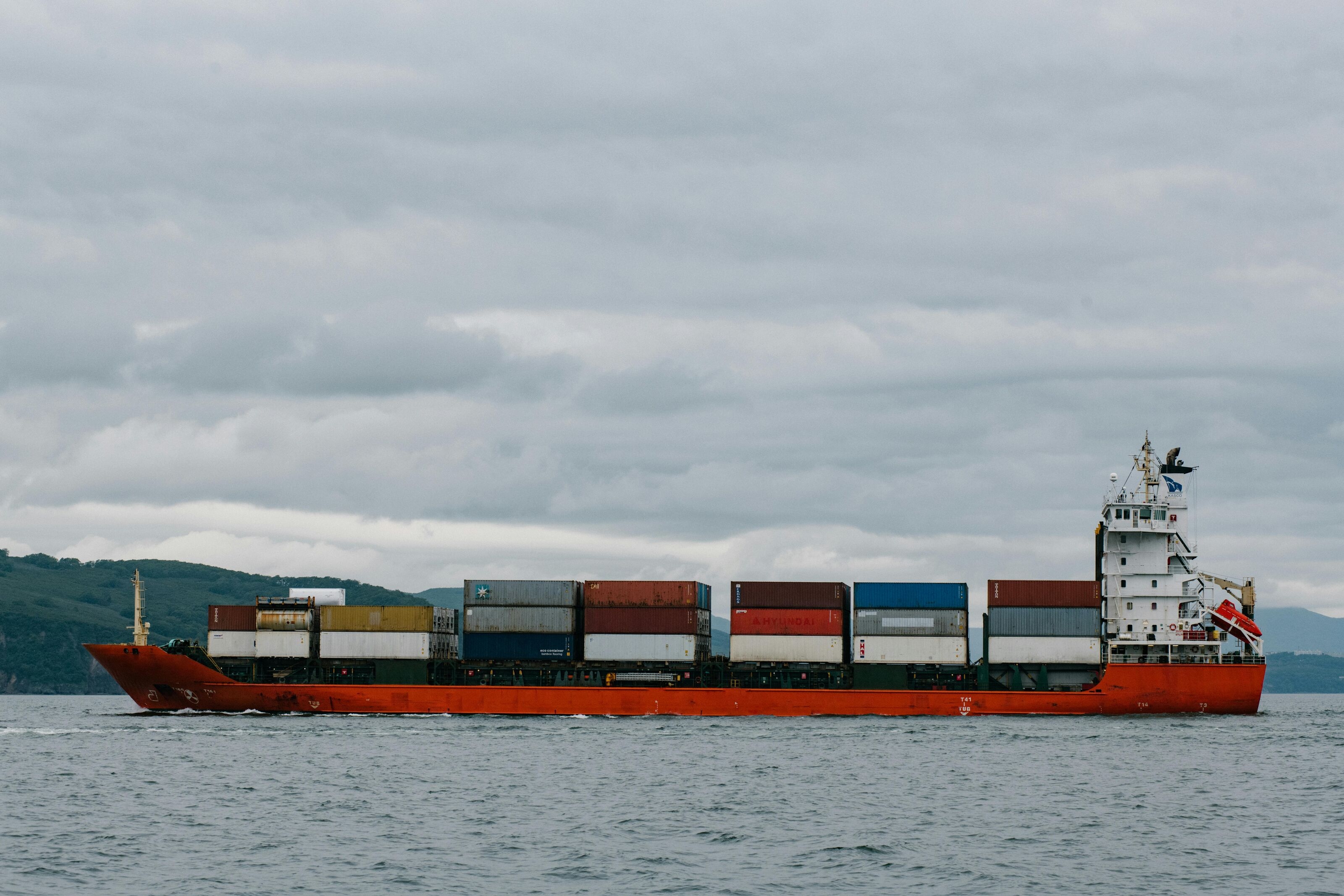
The biggest immediate concern is oil. Iran sits near the strategically vital Strait of Hormuz, through which nearly 20% of the world’s oil supply passes. Any escalation in tensions could disrupt shipments, leading to higher fuel costs in the US.
2. Inflation Pressures May Return
If oil prices rise, inflation—already a sensitive issue—could climb again. This would complicate policy decisions for the Federal Reserve, potentially delaying interest rate cuts.
3. Stock Market Volatility
Markets tend to react quickly to geopolitical uncertainty. Defense stocks may rise, while broader indices could see short-term declines due to investor caution.
4. National Security Concerns
A prolonged breakdown in talks increases the risk of military escalation. This could draw the US deeper into Middle Eastern conflicts, affecting both defense spending and global alliances.
Expert Analysis: What’s Really Happening
While headlines focus on “maximalist demands,” the deeper issue lies in shifting strategic priorities on both sides.
1. The US Negotiating Shift
Washington is no longer negotiating from a 2015 baseline. Iran’s nuclear advancements mean the US is pushing for stronger safeguards. This reflects lessons learned from the original deal, which critics argued was too limited.
2. Iran’s Strategic Leverage
Iran, on the other hand, is negotiating from a position of increased leverage. Its nuclear capabilities have expanded, and global dependence on oil gives Tehran indirect influence over energy markets.
3. Domestic Politics on Both Sides
Internal political pressures are also shaping negotiations:
- In the US, policymakers face scrutiny over national security and energy costs
- In Iran, leadership must avoid appearing weak in international diplomacy
4. The “Delay Strategy”
There is growing evidence that both sides may be intentionally prolonging talks:
- The US may be waiting for stronger international alignment
- Iran may be leveraging time to strengthen its position
Prediction
If no breakthrough occurs in the coming months, expect:
- Increased sanctions enforcement
- More indirect negotiations via intermediaries
- Heightened risk of regional incidents affecting oil supply
Conclusion
The collapse of face-to-face talks between the United States and Iran underscores a widening diplomatic gap at a time when global stability is already fragile. With energy markets sensitive to geopolitical shocks and inflation still a concern for American households, the stakes are high.
Unless both sides recalibrate their expectations, the current deadlock could evolve into a broader crisis—impacting not just the Middle East, but the global economy and everyday life in the US.

 US
US