Introduction
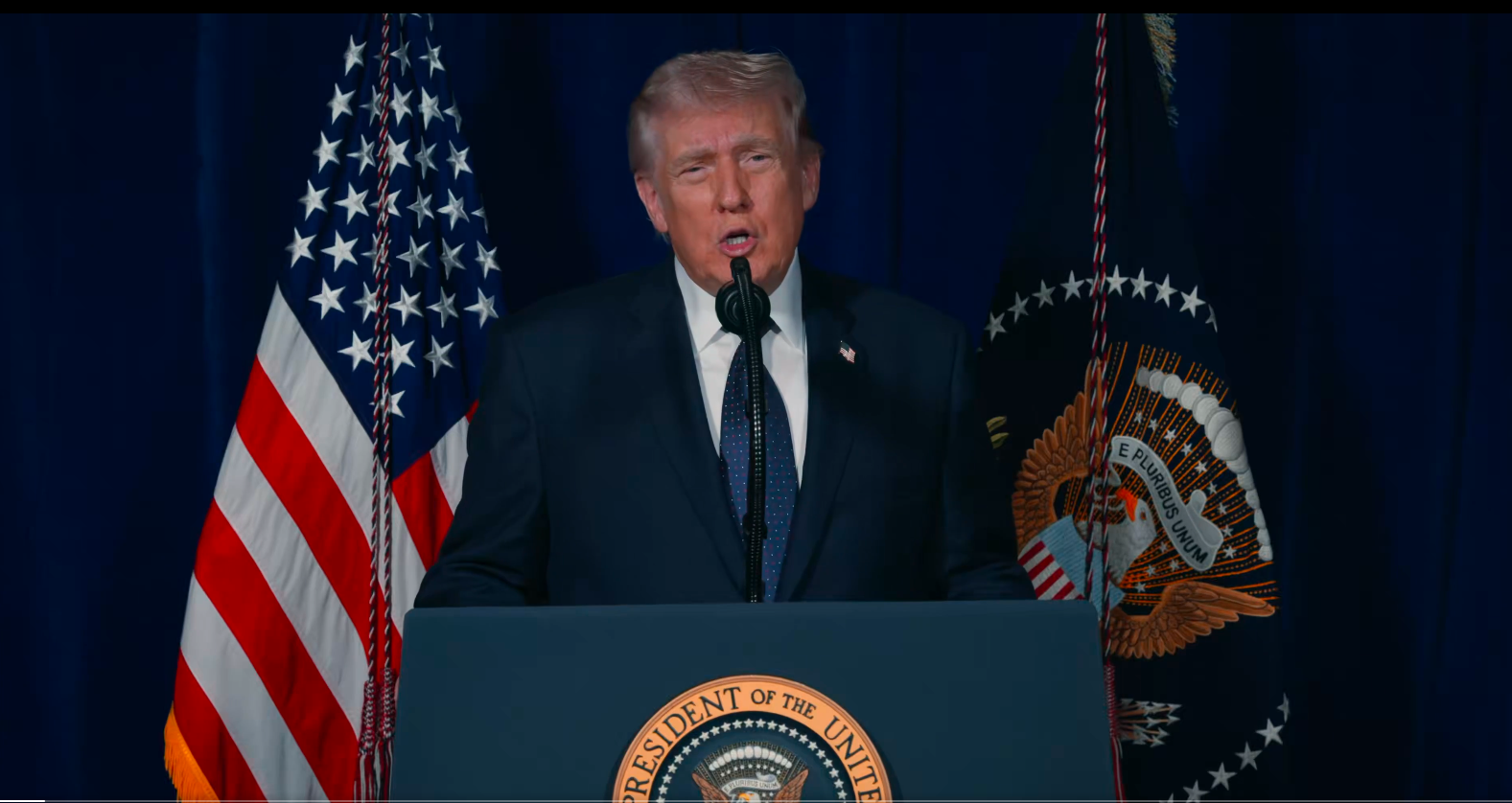
The ongoing Iran war narrative has taken a major turn after comments from Donald Trump suggesting that the conflict is “very close to over” and that the U.S. stock market is positioned for a strong surge once geopolitical tensions ease.
His remarks come at a sensitive moment when global investors are closely watching oil prices, shipping routes, and Middle East stability. According to recent reports, diplomatic channels may be reopening, while military pressure and economic sanctions continue to shape the battlefield.
Although no official end to the conflict has been confirmed by U.S. defense authorities, Trump’s statement has already influenced market sentiment, reinforcing expectations of volatility followed by potential recovery.
Key Highlights
- Trump says the Iran war is “very close to over”
- Predicts strong upside in U.S. stock markets if peace advances
- Oil prices fluctuate as Strait of Hormuz risks remain high
- Diplomatic discussions reportedly being explored again
- Analysts warn geopolitical uncertainty is still far from resolved
Full Details: Why Trump’s Comments Matter
Trump’s comments were made during a public media interaction and quickly spread across financial news platforms. He claimed that military and diplomatic developments suggest the Iran war is approaching its final phase.
Recent geopolitical updates indicate partial ceasefire signals and renewed back-channel discussions. However, analysts emphasize that battlefield realities remain unstable, especially around strategic maritime zones.
One of the most critical pressure points is the Strait of Hormuz, through which nearly a fifth of global oil supply flows. Any disruption in this region directly affects global inflation and energy markets.
Internal Context Articles:
These developments highlight why even verbal political signals can move global markets within minutes.
What This Means for the US Economy
If the Iran war truly moves toward resolution, several key economic shifts could follow:
1. Stock Market Momentum
Reduced geopolitical risk typically increases investor confidence. The S&P 500 and Nasdaq often respond positively to easing global tensions, especially in energy-sensitive periods.
2. Oil Market Stabilization
The Middle East remains a central hub for global crude supply. Any easing of conflict would likely reduce risk premiums on oil prices, helping stabilize inflation expectations in the U.S.
3. Inflation Pressure Relief
Lower oil prices could ease transportation and manufacturing costs, indirectly supporting consumer spending power.
4. Defense and Energy Sector Rebalancing
Defense stocks that benefited from conflict-driven spending may cool, while airlines and consumer sectors could benefit from lower fuel costs.
5. Global Trade Recovery Signals
Shipping routes and insurance costs are highly sensitive to Middle East tensions. A reduction in conflict risk could normalize global trade flows.
External sources confirm rising market optimism and geopolitical uncertainty:
Reuters reports that equities have rebounded strongly as investors price in a possible de-escalation of the Iran conflict.
AP News highlights ongoing diplomatic negotiations while tensions in the Strait of Hormuz remain high.
Reuters Markets Analysis (Iran war + oil volatility context)
Expert Analysis: Is a Market “Boom” Realistic?
While Trump’s prediction of a stock market “boom” has attracted attention, financial analysts suggest a more cautious outlook.
Markets are not driven by political statements alone—they depend on verified economic and geopolitical stability.
Key Factors Limiting a Guaranteed Rally:
- Inflation remains above long-term targets
- Interest rate policies still restrictive
- Energy infrastructure damage remains unresolved
- Regional tensions continue despite diplomatic signals
Historical data shows that markets often rally on early peace expectations, but long-term performance depends on confirmed stability and economic fundamentals.
Unique Insight: Algorithm-Driven Market Reaction
One important modern factor is the role of algorithmic trading. Today’s markets react instantly to keywords such as “war,” “peace,” or “ceasefire.”
This means Trump’s statement alone can trigger:
- Automated buying in equities
- Rapid selling in oil futures
- Short-term volatility spikes
These reactions may not reflect real-world progress but instead market psychology amplified by technology.
Geopolitical Background: Why This Conflict Matters
The Iran war is not an isolated event. It is tied to broader issues including energy security, nuclear negotiations, and regional alliances.
The Strait of Hormuz remains a strategic chokepoint for global oil transport, making it one of the most sensitive regions in international trade. Any disruption here impacts not only the United States but also Europe and Asia.
Tensions have also influenced diplomatic relations between major global powers, including China and Russia, who have economic stakes in regional stability.
Market Outlook Moving Forward
Short-term market movement is expected to remain volatile as investors react to ongoing political statements and news leaks.
However, longer-term direction depends on actual diplomatic outcomes rather than predictions.
If the Iran war de-escalates:
- Gradual stock market gains
- Lower oil prices
- Reduced inflation pressure
- Improved global trade sentiment
If tensions escalate again:
- Oil price spikes
- Stock market volatility
- Increased safe-haven demand (gold, dollar)
Conclusion
Trump’s claim that the Iran war is nearing its end has added a fresh wave of speculation to already volatile global markets. While investors are hopeful for stability, uncertainty remains high, and real economic impact will depend on verified diplomatic and military developments.
For now, markets are reacting more to expectations than outcomes—making this one of the most sensitive geopolitical-financial intersections of the year.


 US
US