Introduction
The United States has imposed a military blockade on Iranian ports in the Strait of Hormuz, marking a major escalation in geopolitical tensions. The US blockade of Iranian ports has already triggered sharp reactions in global markets, with oil prices climbing and analysts warning of wider economic consequences.
As one of the world’s most critical oil transit routes, any disruption in this region has immediate global impact—especially for American consumers and businesses.
Key Highlights
- The US blockade of Iranian ports targets key oil export routes
- Around 20% of global oil supply flows through the Strait of Hormuz
- Oil prices surged 5–8% following the announcement
- US Navy deployed to enforce maritime restrictions
- Iran signals retaliation, raising fears of escalation
Full Details: What Happened and Why It Matters
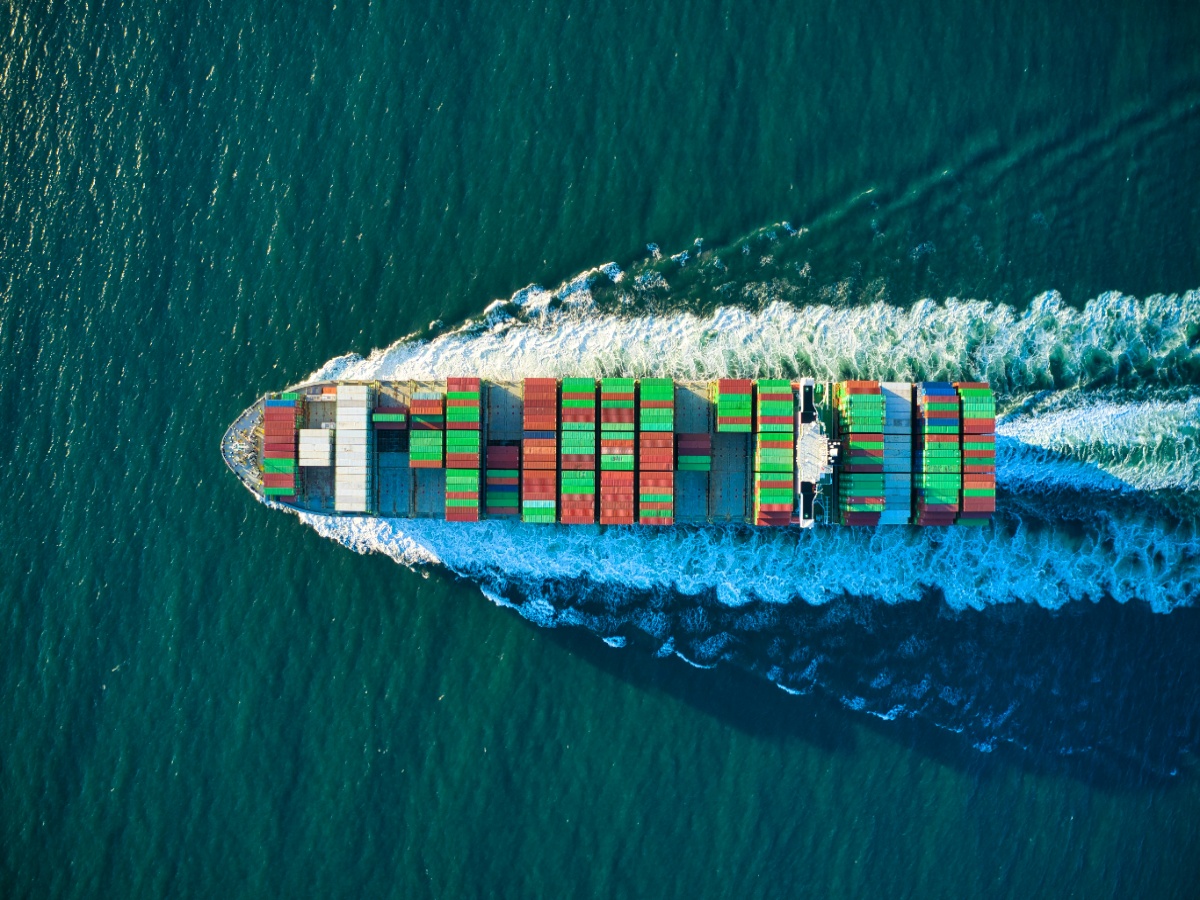
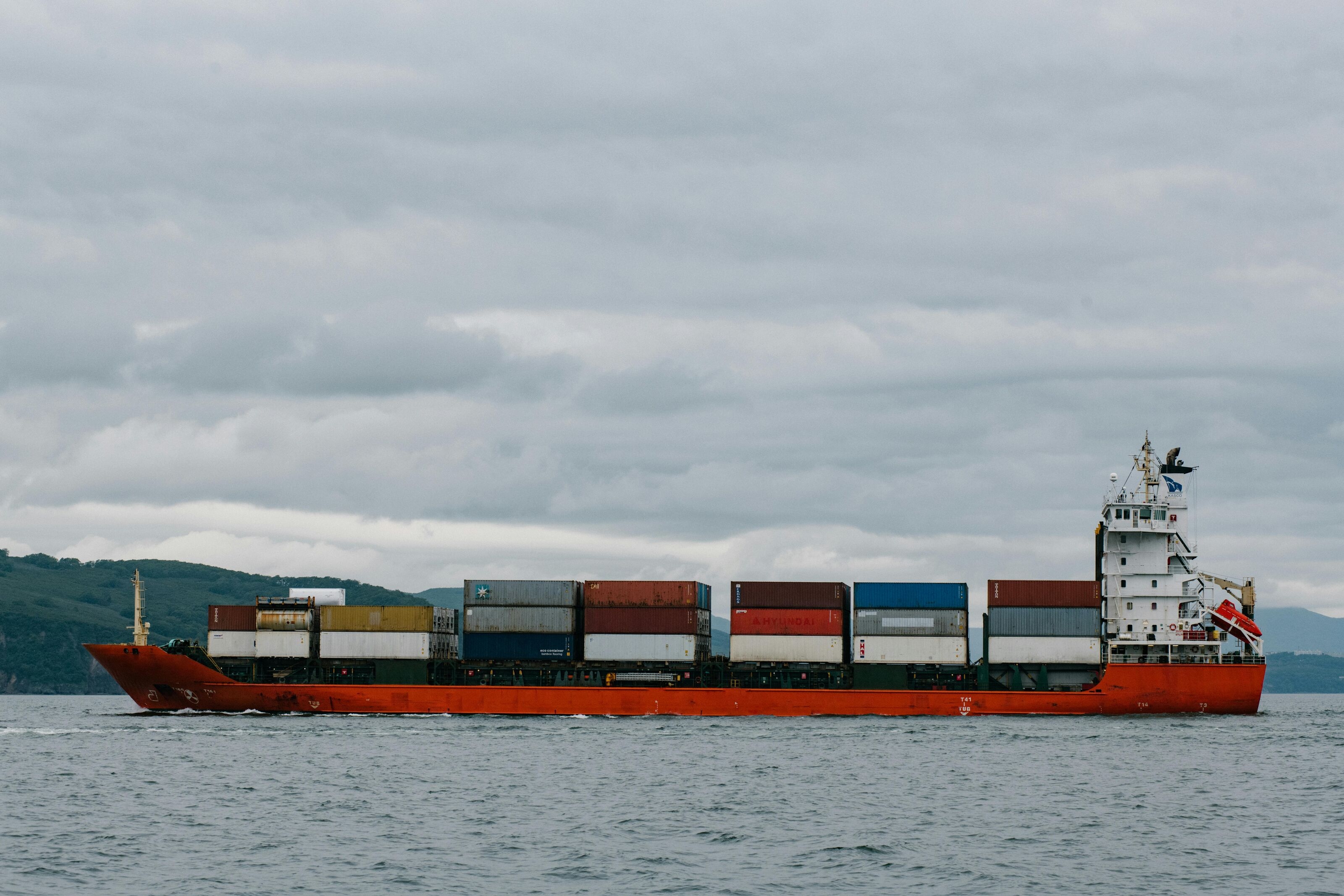
The Strait of Hormuz connects the Persian Gulf to international markets and is widely considered the most important oil chokepoint in the world. The US blockade of Iranian ports represents a shift from economic pressure to direct military involvement.
US naval forces are reportedly stationed near Iranian shipping zones, monitoring and potentially restricting vessels linked to Iran’s oil exports.
Background Context
The latest move comes after months of rising tension over:
- Iran’s nuclear program
- Ongoing sanctions disputes
- Regional proxy conflicts
This action signals a stronger US stance after diplomatic efforts showed limited progress.
👉 Read more on rising tensions:
https://usablogtoday.com/global-oil-prices-middle-east-tensions
👉 Why this region matters:
https://usablogtoday.com/strait-of-hormuz-global-trade-explained
External Sources & Data
According to the U.S. Energy Information Administration (EIA):
👉 https://www.eia.gov/international/analysis/special-topics/Strait_of_Hormuz.php
Nearly 20% of the world’s petroleum consumption passes through the Strait of Hormuz daily, making it highly sensitive to disruptions.
Meanwhile, official US military updates can be followed via the U.S. Department of Defense:
👉 https://www.defense.gov/News/
These sources confirm the scale of the situation and the potential risks involved.
What This Means for Americans
The US blockade of Iranian ports could have direct consequences for everyday Americans:
1. Gas Prices Could Rise Quickly
Oil market uncertainty typically leads to higher fuel costs. US drivers may see price increases within days.
👉 Related economic impact:
https://usablogtoday.com/us-economy-oil-price-impact
2. Inflation Pressure May Increase
Higher energy prices affect transportation, groceries, and utilities—adding pressure to household budgets.
3. Stock Markets Could Turn Volatile
Investors often react strongly to geopolitical risks, which could lead to market fluctuations.
4. Increased Risk of Conflict
If tensions escalate, it could draw the US deeper into military engagement.
Expert Analysis: A Strategic but Risky Move
The US blockade of Iranian ports is a calculated move with high stakes.
Why Now?
Several strategic reasons may explain the timing:
- Strengthening US influence over global energy routes
- Increasing pressure on Iran amid stalled negotiations
- Preparing for potential economic disruptions
Possible Scenarios
1. Limited Response
Iran avoids escalation, and markets stabilize.
2. Regional Conflict
Iran disrupts shipping routes, causing sustained oil price increases.
3. Global Economic Shock
A prolonged blockade could trigger a major energy crisis.
Unique Insight
Unlike sanctions, this blockade directly impacts physical oil movement, making it more dangerous and unpredictable. Markets respond more aggressively to supply risks than policy announcements—explaining the rapid oil price spike.
Conclusion
The US blockade of Iranian ports marks a turning point in global geopolitics and energy markets. While intended to pressure Iran, it carries significant risks for the global economy and US consumers.
With tensions rising, the situation in the Strait of Hormuz could shape the future of oil markets and international relations.

 US
US